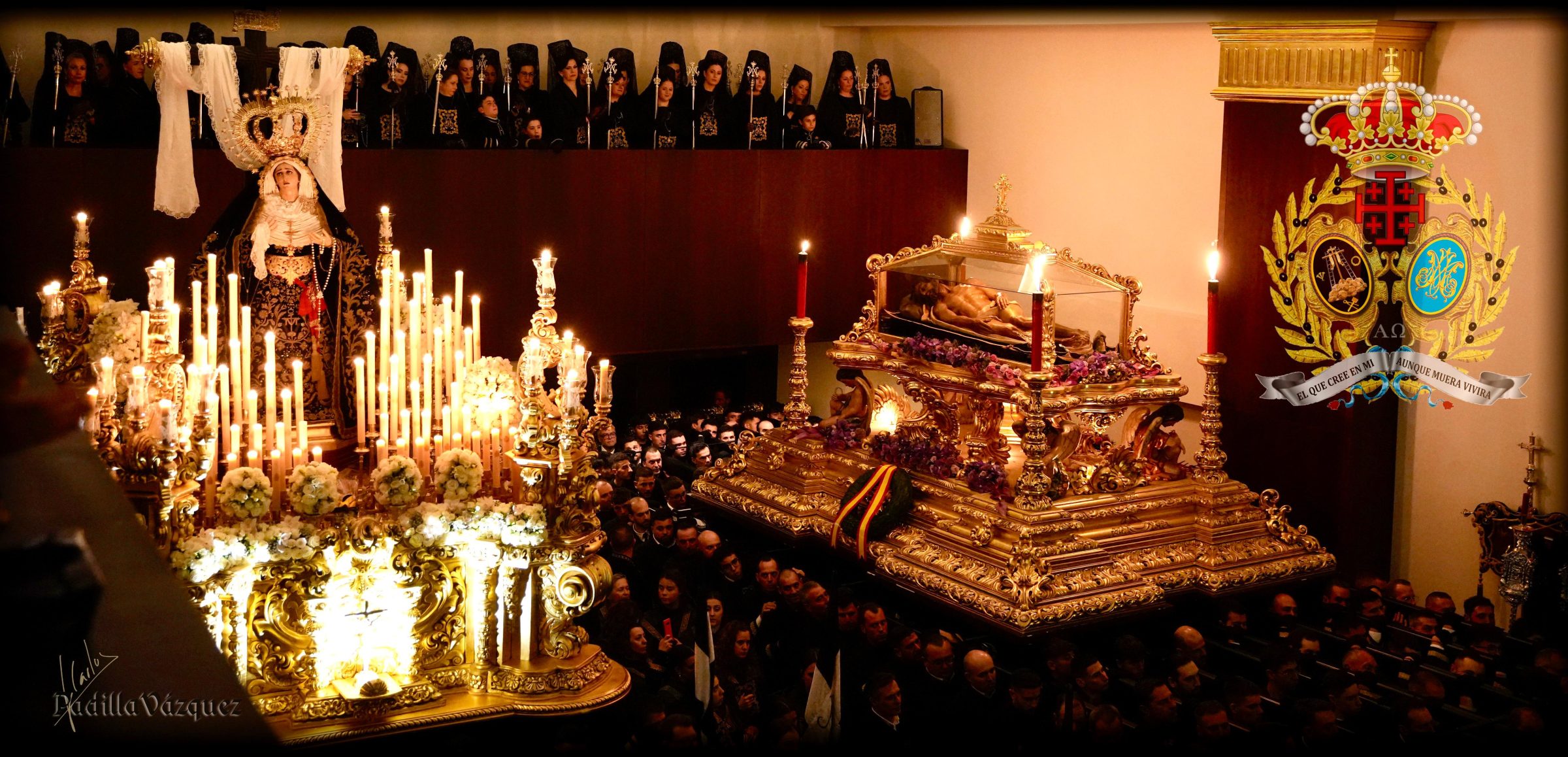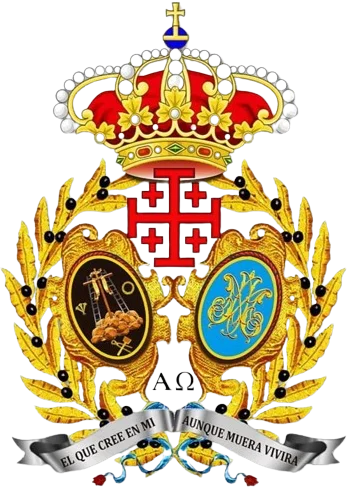
Coat of arms of Santo Entierro

Santo Entierro de Cristo and María Santísima de las Angustias

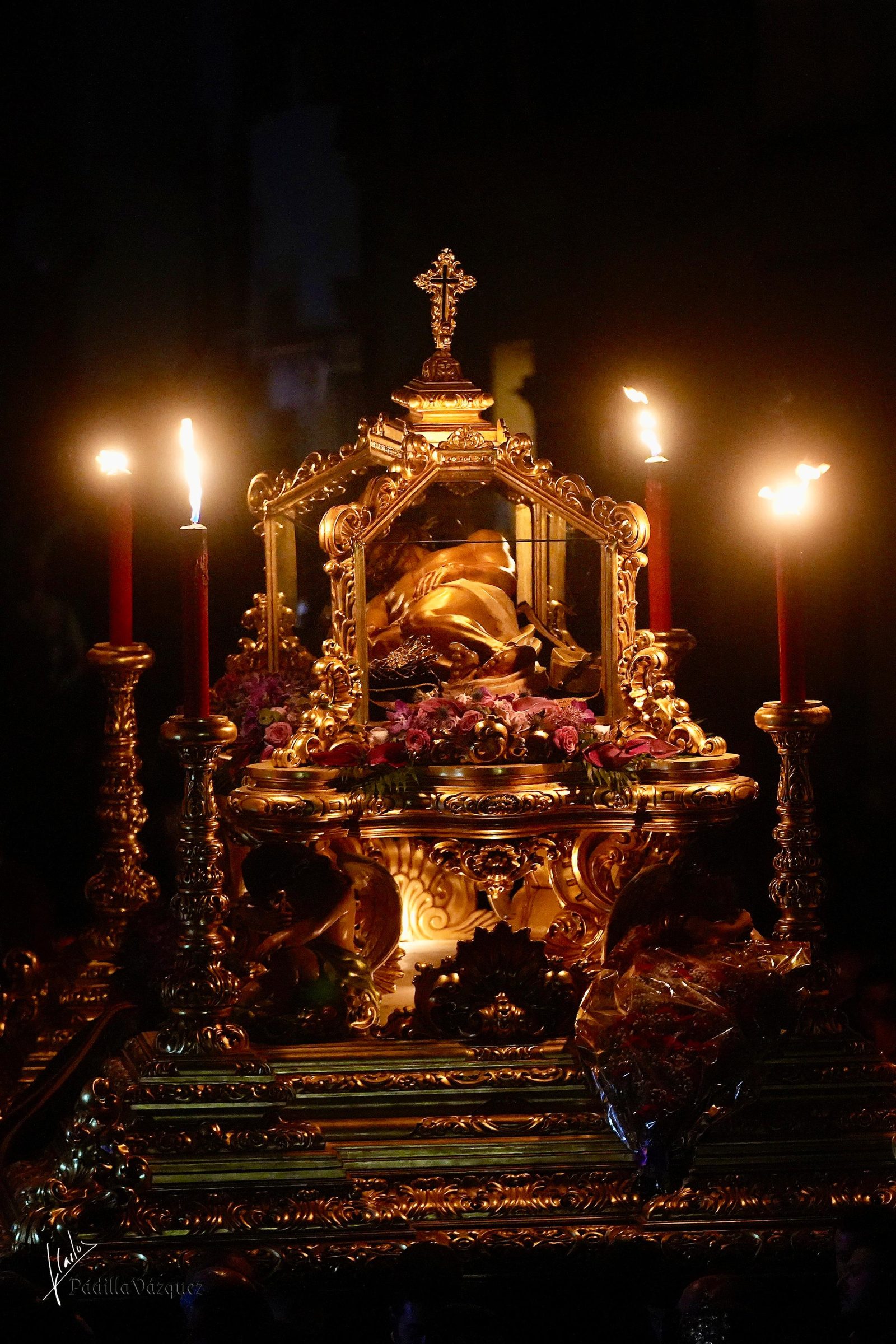
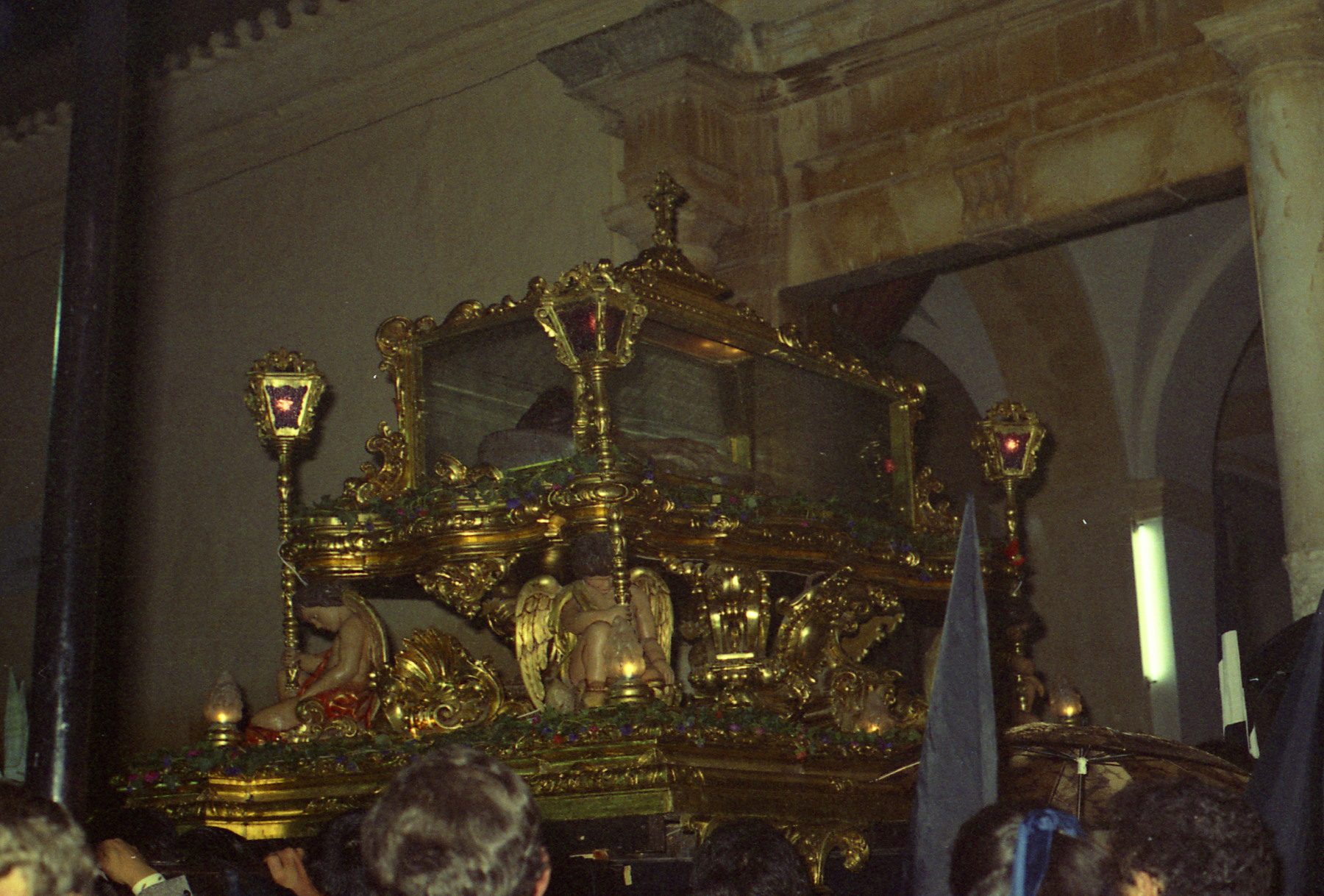
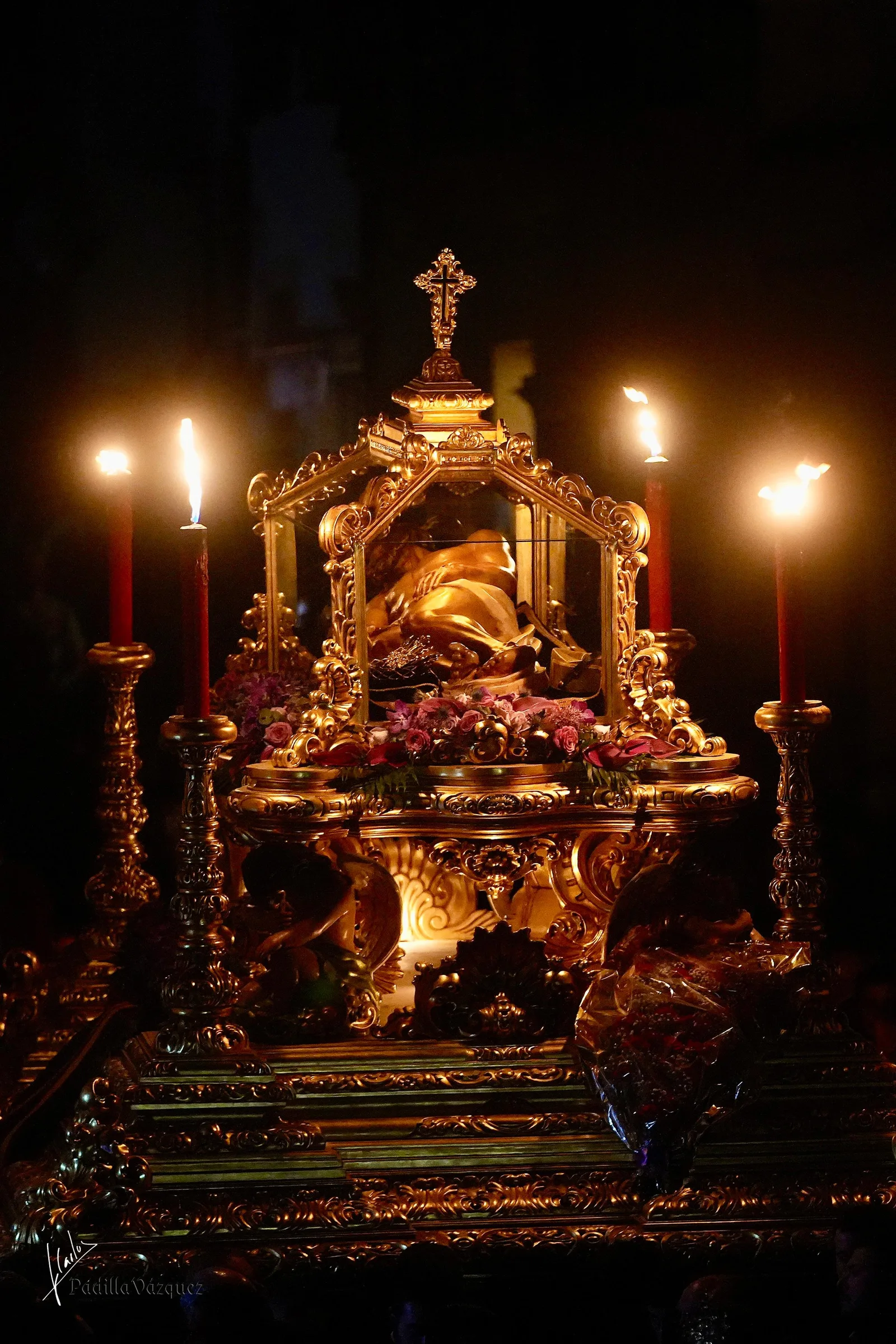
The illuminated trono of the Santo Entierro at night in Campillos

The brotherhood

On Good Friday night it is the turn of the Santo Entierro de Cristo and María Santísima de las Angustias, whose departure is marked by mourning, solemn silence and darkness. Only the voice of the capataz (who directs the trono bearers) and the bearers’ footsteps break the deathly silence, as the men of the trono call out these poetic words:

Capataz: “Santo Entierro de Cristo, four angels of mystery carry you to the tomb with the sobs of a mother filled with sorrow. Where is the Santo Entierro de Cristo going?”
Bearers: “To heaven!”
Capataz: “Then to heaven we go with God!”

The 10th Bandera of the Tercio Alejandro Farnesio IV of the Spanish Legion, perpetual honorary members of the brotherhood, escorts the image of the recumbent Christ every Good Friday night in Campillos.

Good Friday night

Route

See the streets in the route list.

Departure
21:30
Return
02:30
Procession starting point
C/ San Sebastián, 16
Pre-procession meeting point
C/ Alta, 37 · 20:30
Bands
Banda de Cornetas y Tambores Coronación (Campillos), Tercio Alejandro Farnesio IV of the Spanish Legion and Banda de Música Maestro Leyva (Granada)

Official route

  1. Casa-Hermandad
  2. San Sebastián
  3. Plaza de España
  4. Real
  5. Vallejos
  6. Alta
  7. Plaza Cruz Blanca
  8. Molinos
  9. San Sebastián
  10. Casa-Hermandad

Sacred images

The illuminated trono of the Santo Entierro at night in Campillos

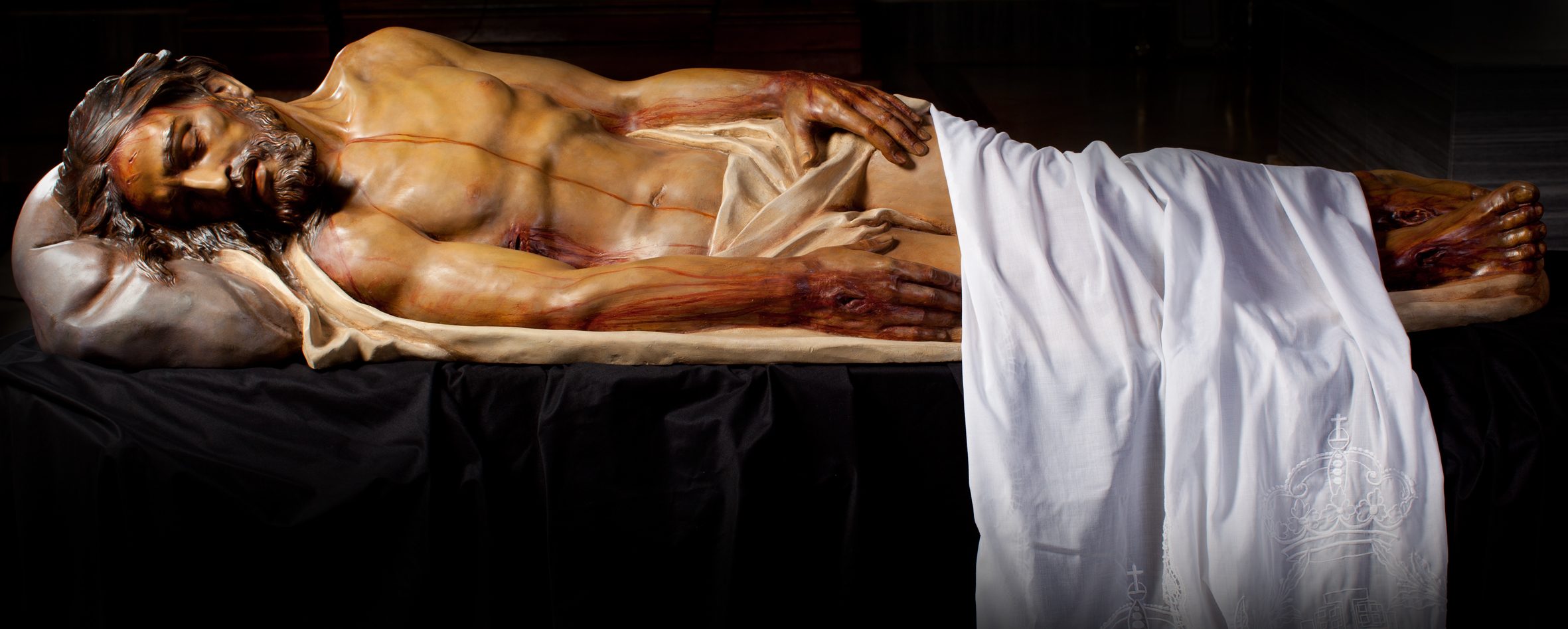
Santo Entierro de Cristo

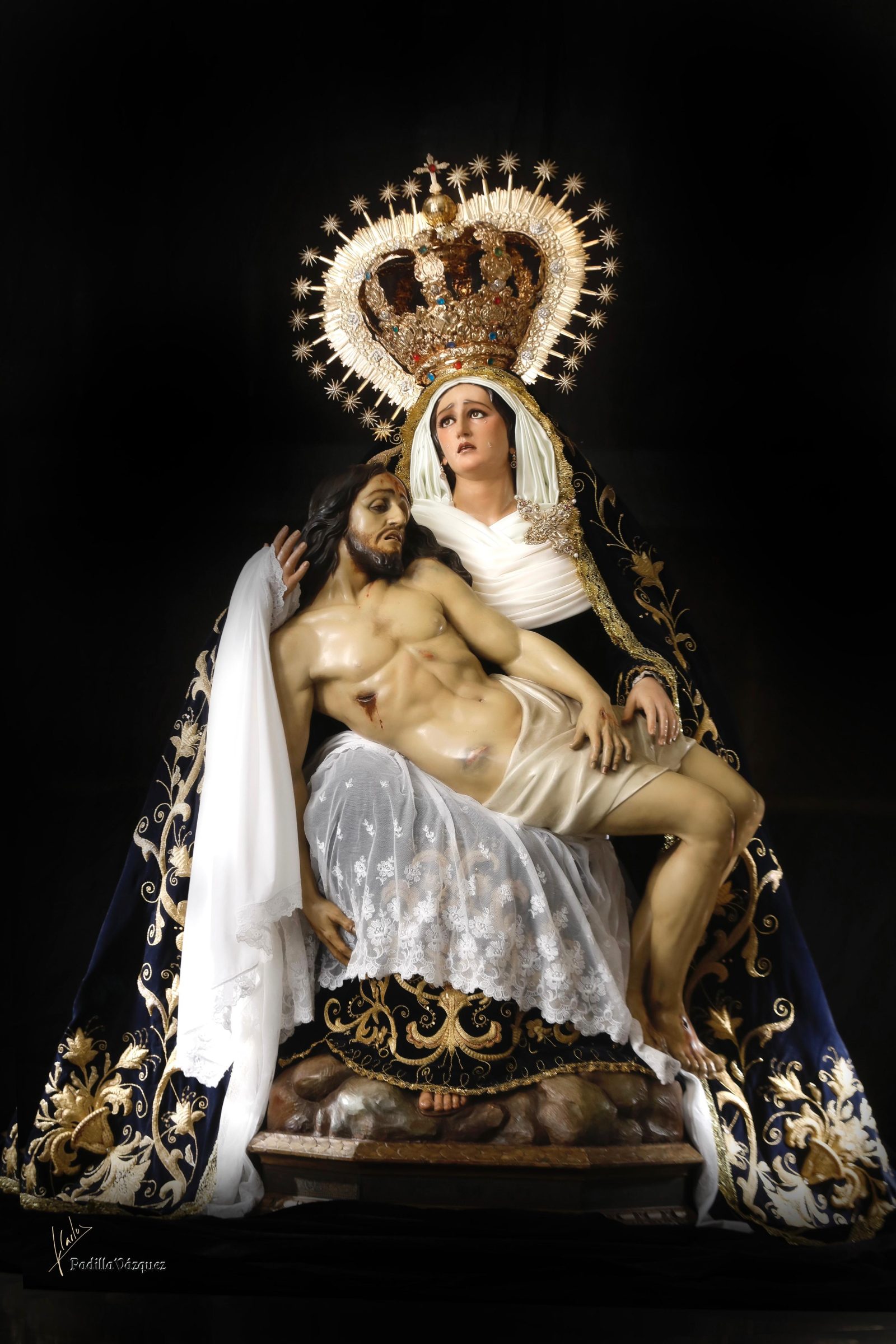
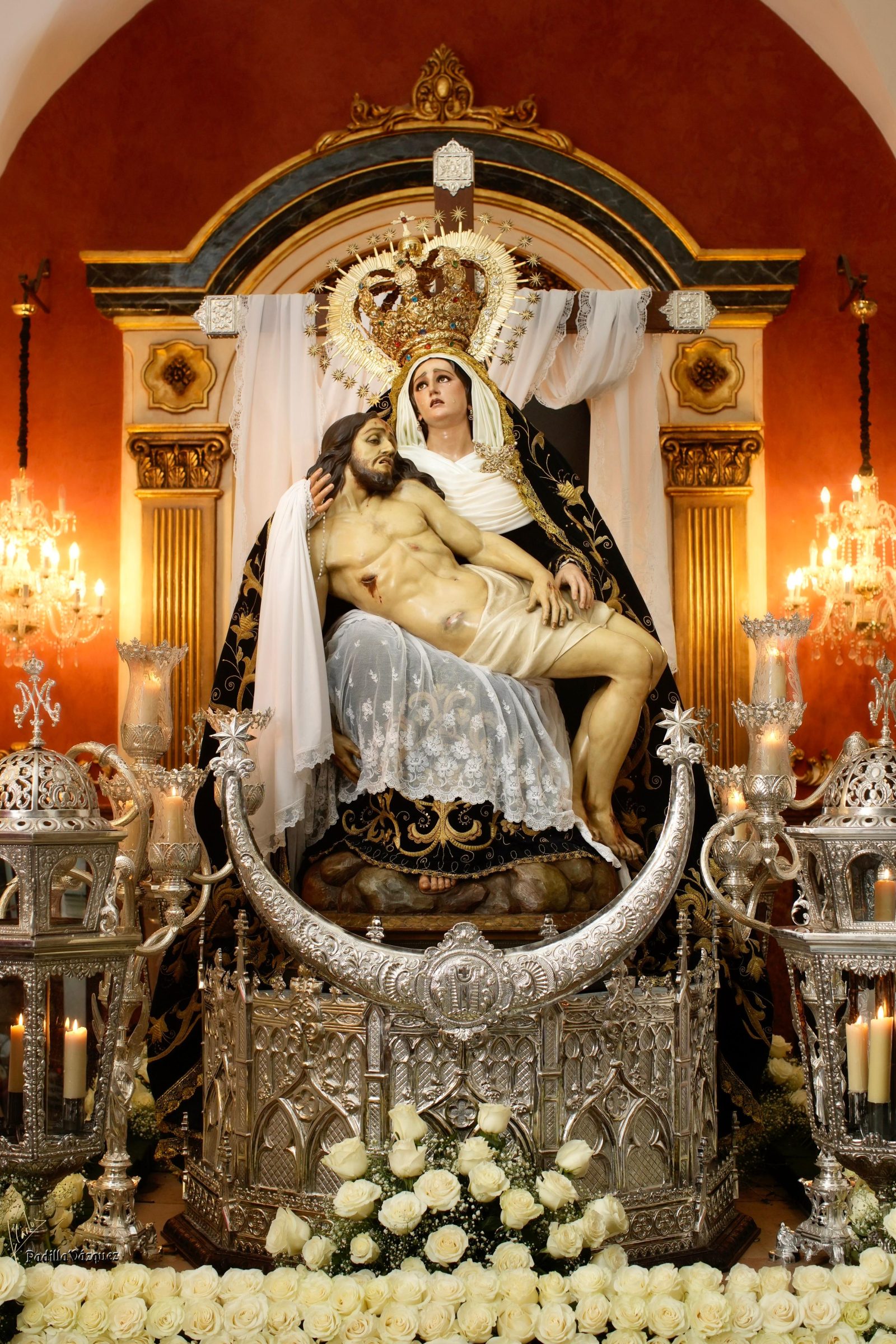
It depicts the moment of the death of Our Lord Jesus Christ. The image is the work of the Málaga imaginero (religious sculptor) Francisco Palma Burgos; it is signed on the left shoulder and dated in Madrid in 1948. It is a life-size recumbent Christ covered with a loincloth, with a very natural treatment of the anatomy, rounded and fleshy, and no interest in highlighting the wounds of the Passion, perhaps inspired by the positivist classicism of the 19th century.

The face is that of a young man with handsome features, sharpened by the rictus of death, the half-open mouth the only sign of the pain suffered, and eyes that seem to have just closed, relaxing his expression. The sculptor’s gouge lingers over the hair and the hands. The ochre-toned polychromy reinforces the gentle naturalism of the carving. Its moving beauty recalls the meaning of his death and resurrection.
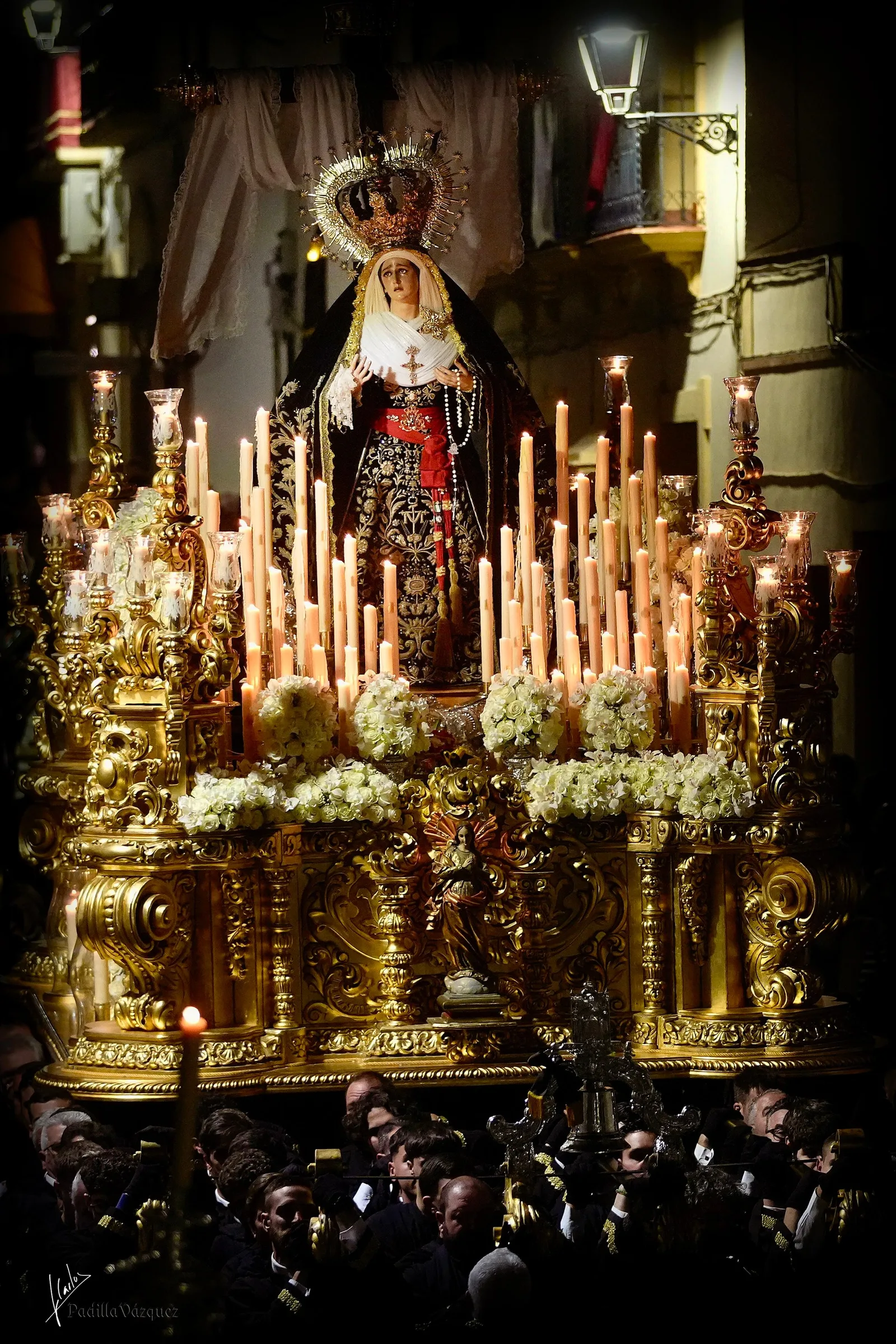
Nuestra Señora de las Angustias beneath a palio (canopy)

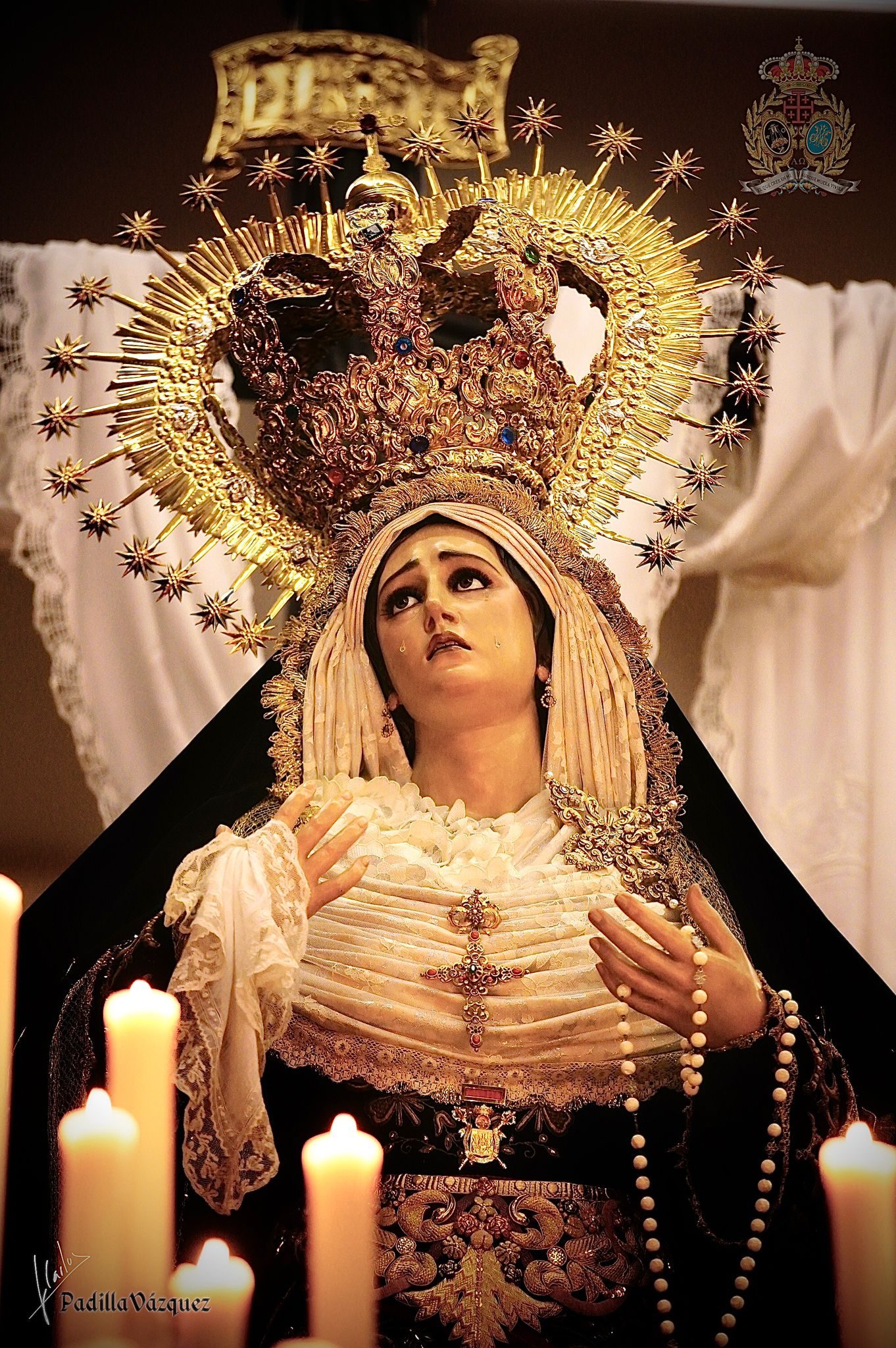
María Santísima de las Angustias

The sculptor conceived the image for two different iconographies: as a “candelero” image (a dressed figure on a wooden frame) representing the Virgin Mary alone before the Cross at the very moment of losing her Son, and as the Virgin at the foot of the Cross holding the lifeless body of Christ in her lap. Iconographically it can be related to the Baroque school of Granada, for its expression of restrained grief and the absence of theatricality in her features.

Her hands, resting on her breast, close the composition as a symbol of prayerful contemplation and restrained grief. It only opens with the upward direction of her gaze and the slight backward tilt of her head, as if she were seeking in heaven an answer to why she lost her Son, something to comfort her pain. This makes her, if anything, more beautiful and moving, without drama, with just five tears representing Mary’s “fifth Sorrow”.

From September, when the Archconfraternity holds a solemn Quinario (five days of devotional services) in honour of María Santísima de las Angustias, until the beginning of Lent, the image is displayed in the camarín (a shrine chamber) of the brotherhood’s church holding her Son in her lap. This is a fully carved figure of Christ with a sculpted loincloth, made on a smaller scale to remain in proportion with the Virgin. His head tilts towards his left shoulder and his expression conveys pain without contortion.

The sacred image of Nuestra Señora de las Angustias, like that of her Son in her arms, is the work of the Málaga imaginero José Navas Parejo, who settled in Granada, and dates from 1937.

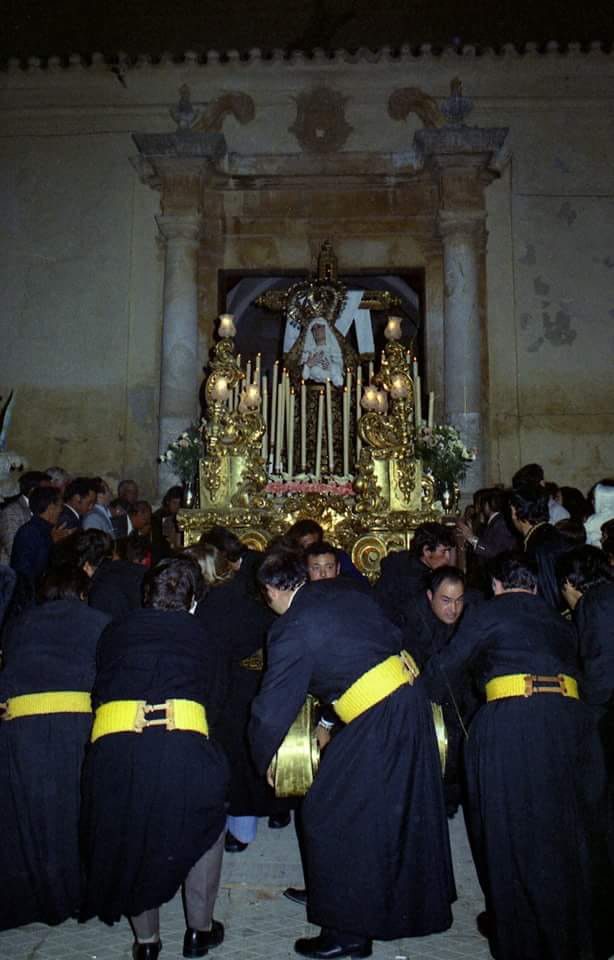
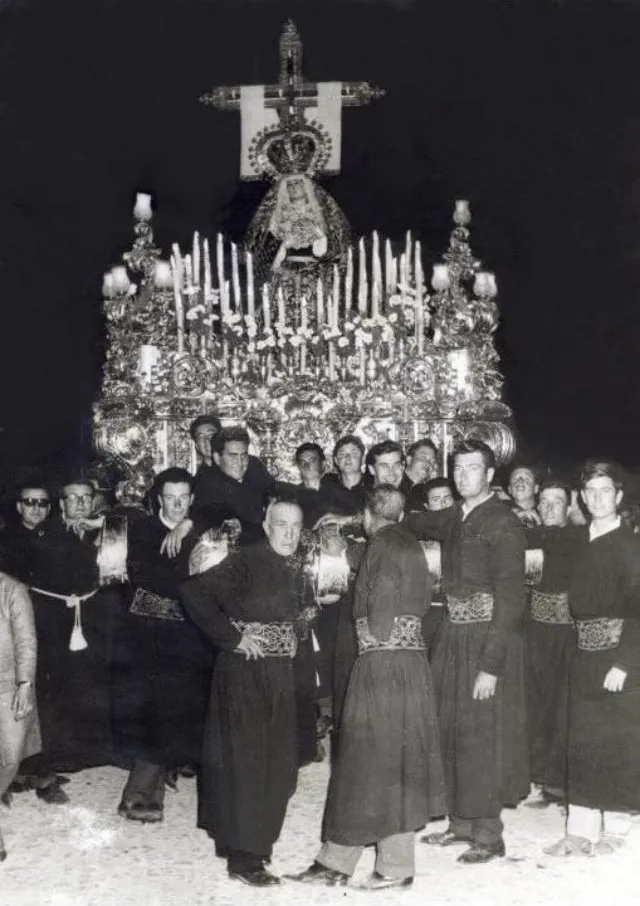
María Santísima de las Angustias on her trono at night, surrounded by brotherhood members, in a historic photograph.
María Santísima de las Angustias, in a historic photograph.

History of the brotherhood

The earliest surviving minutes date from 4 April 1648. They record that the Licentiate Benito Busan de Somoza, Consultor of the Holy Office and Visitor General of the Archdiocese of Seville, came to the town of La Puebla de Campillos so that the Hermandad de “Nuestra Señora de las Angustias” could present to him its accounts for the previous year (1647). The steward at that time was Francisco de Rúa Menaute.

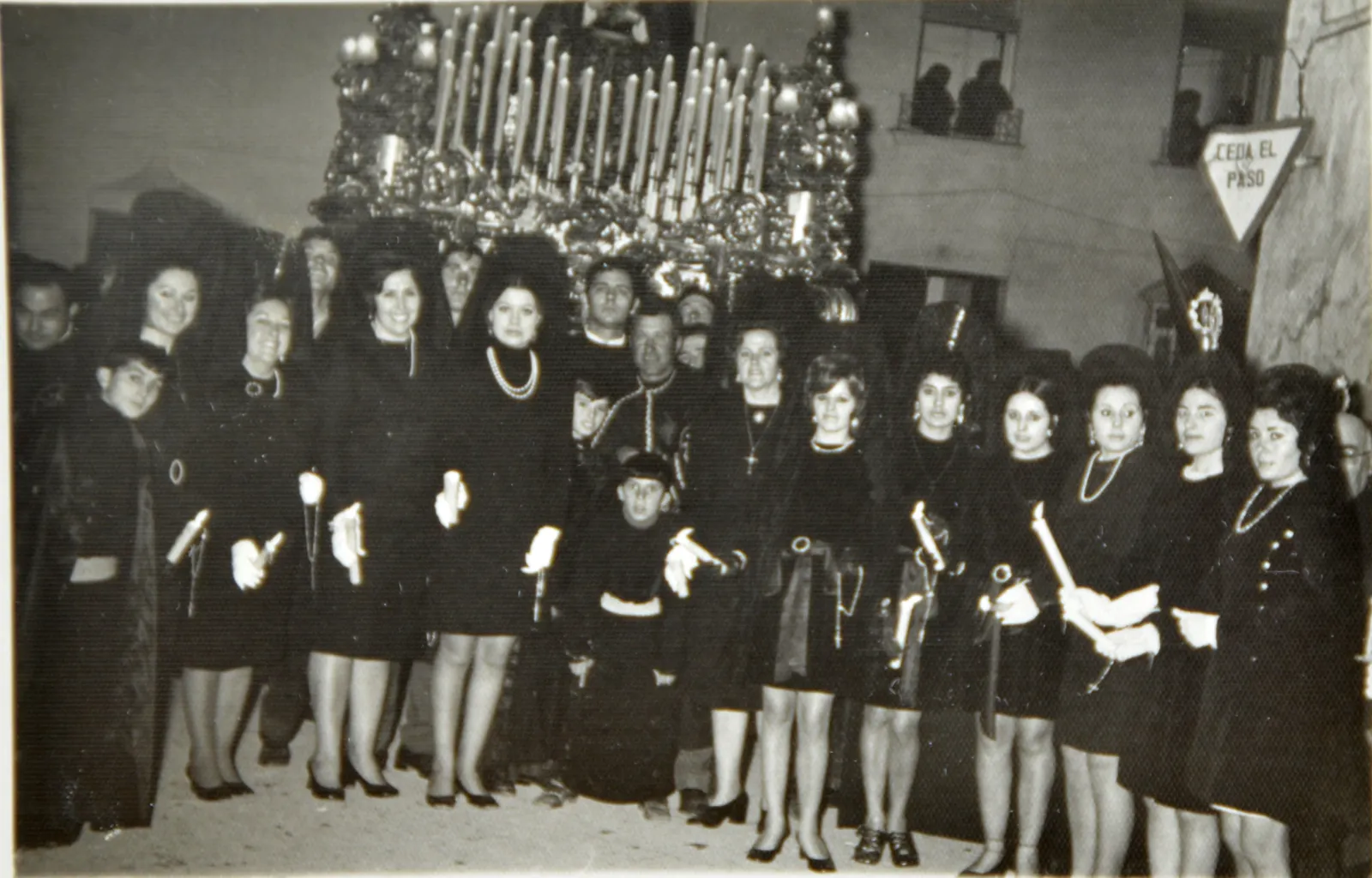
Women in mantillas holding candles in front of the Santo Entierro trono at night, in 1971.
Women in mantillas of the Santo Entierro in 1971.

In those years only the Hermandad de Nuestra Señora de las Angustias is mentioned; it was on 31 March 1675 that the two dedications merged, and it became known as the Hermandad de Nuestra Señora de las Angustias y Santo Entierro de Cristo.

Processional dress

Penitents accompanying Christ

A black twill robe, buttoned from the neck to the feet, with a black satin cape and antifaz (a cloth hood covering the face) over a conical capirote one metre high. A black velvet sash is embroidered in gold thread. A scapular, also embroidered in gold on black velvet, bears the instruments of the Passion shown in the dexter (heraldic right) section of the Archconfraternity’s coat of arms.

Penitents wear black shoes, socks and gloves, and carry either a red candle supported at the hip or the Archconfraternity’s banner.

Penitents accompanying the Virgin

A black twill robe, buttoned from the neck to the feet, with a black satin cape and antifaz over a conical capirote one metre high. A black velvet sash is embroidered in gold thread. A scapular, also embroidered in gold on black velvet, bears the Ave María monogram shown in the sinister (heraldic left) section of the Archconfraternity’s coat of arms.

Penitents wear black shoes, socks and gloves, and carry either a red candle supported at the hip or the Archconfraternity’s banner.

Sayones (trono bearers)

The sayones wear a black twill robe, buttoned from the neck to the feet, and a black velvet sash embroidered in gold thread with the Archconfraternity’s emblem. On the left side of the chest, bearers of Christ’s trono wear the dexter section of the coat of arms, while bearers of Nuestra Señora de las Angustias wear the sinister section. No other insignia may be worn with the attire described in this rule.

They wear black shoes, socks and gloves.