Coat of arms of Dulce Nombre

Dulce Nombre de Jesús and María Santísima del Socorro

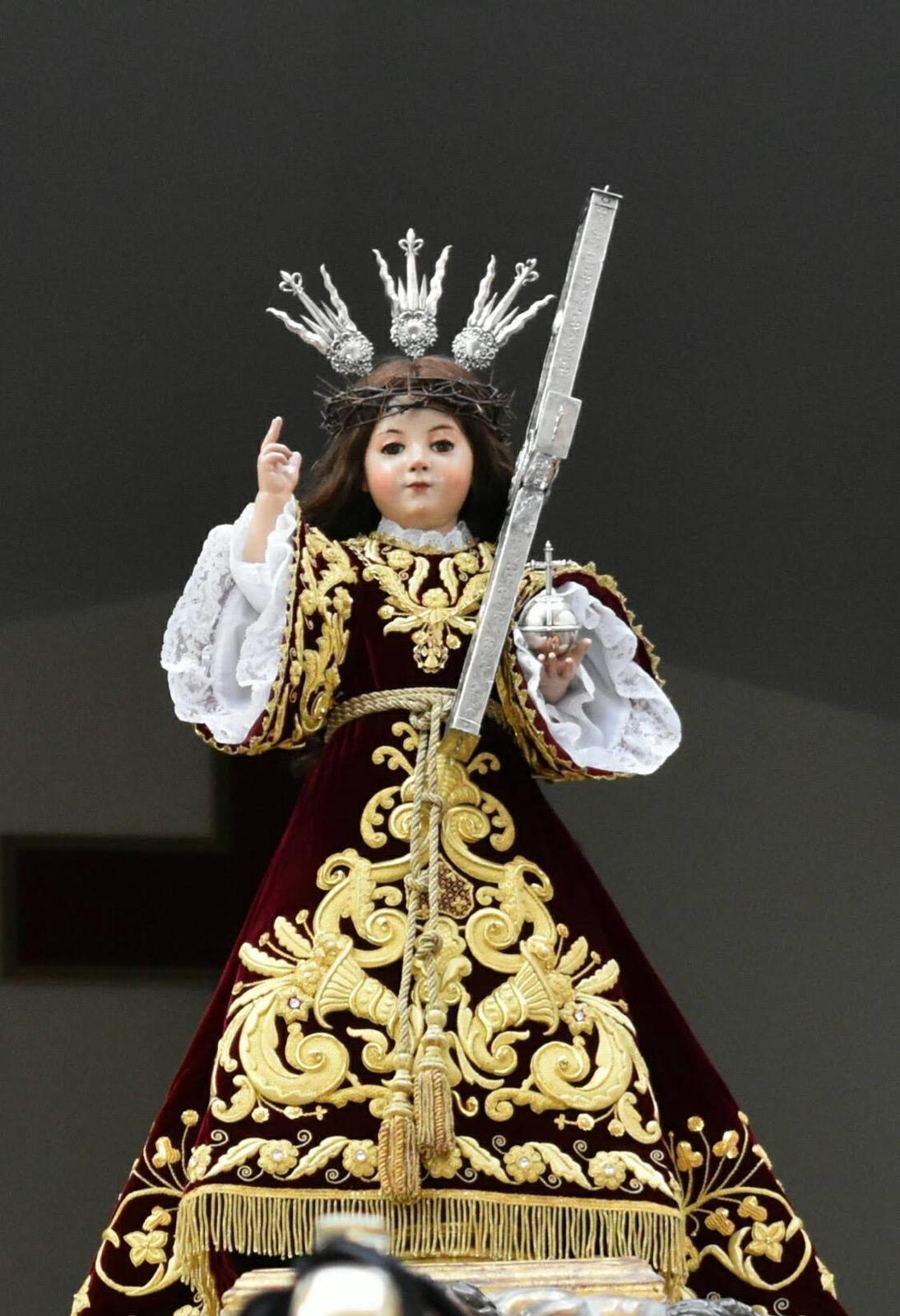
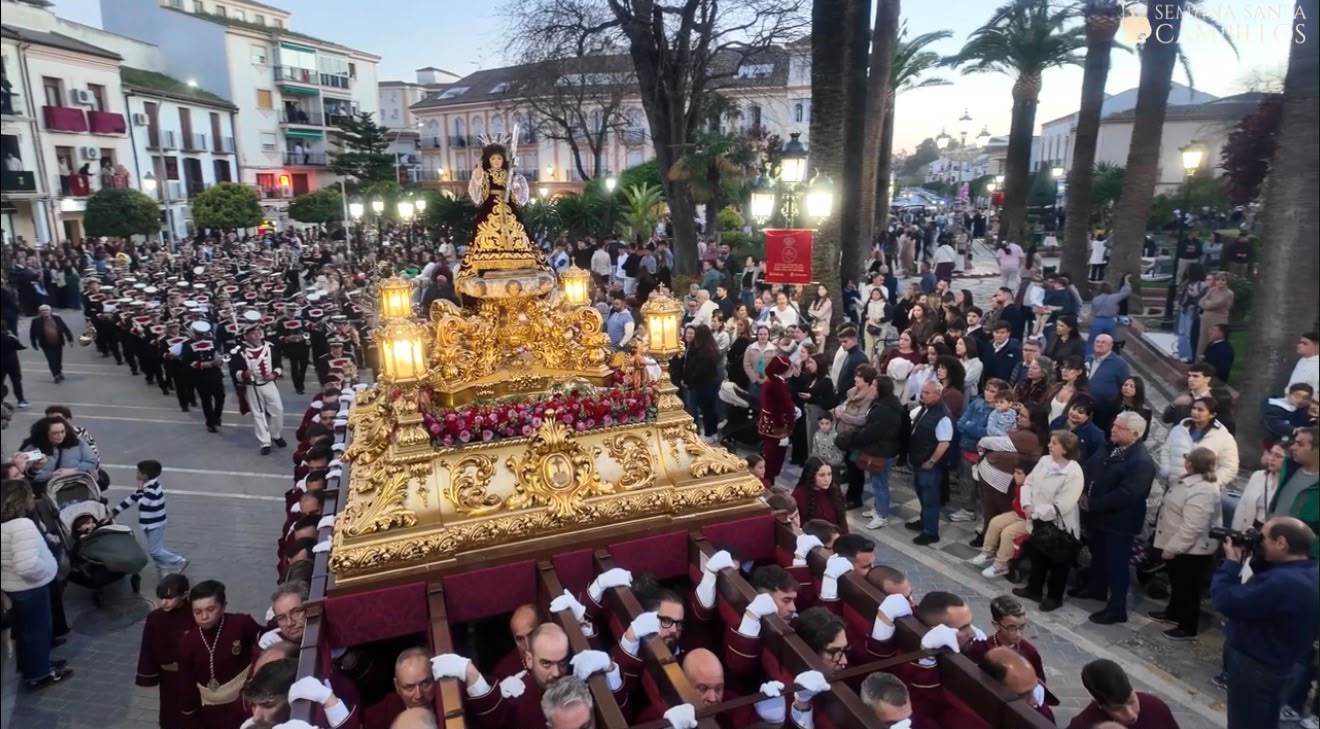
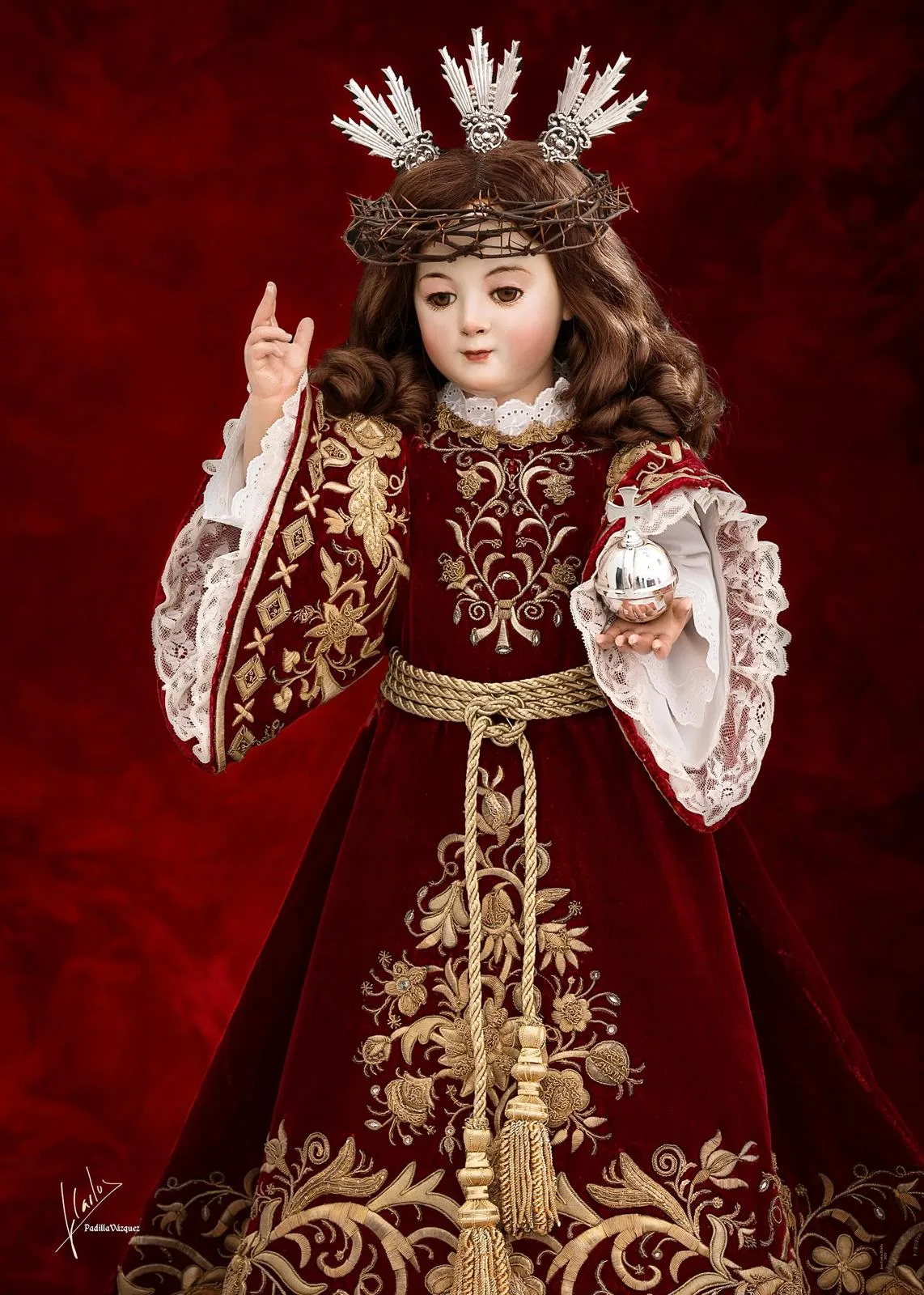
Dulce Nombre de Jesús in a crimson robe embroidered in gold

The brotherhood

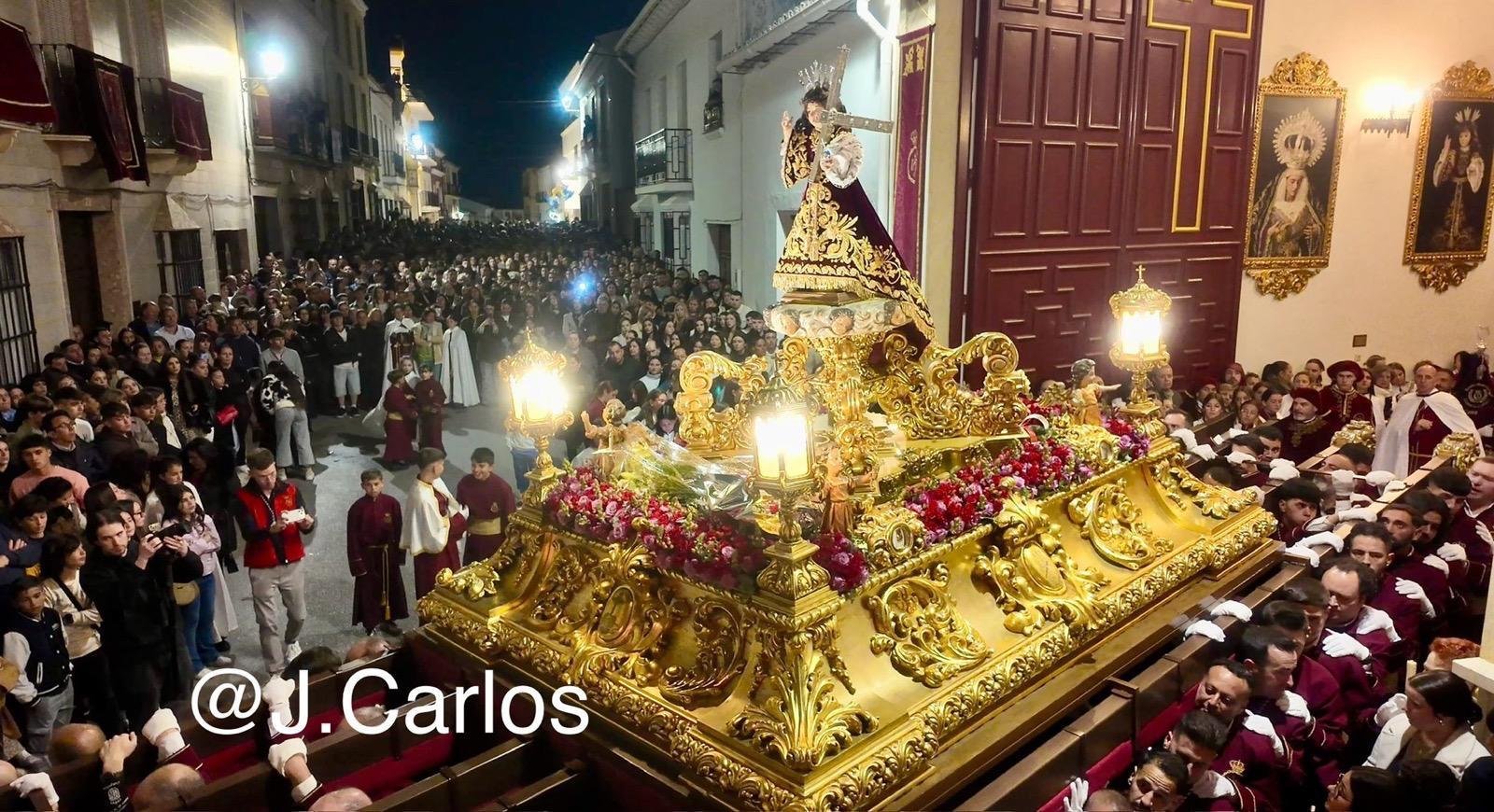
On Holy Wednesday, as evening falls, the image affectionately known as the ‘Niño Chiquito’ (Little Child) and his mother, the Virgen del Socorro, preside over this penitential procession. It is one of the best-known processions, thanks to its unusual image of Christ as a child.

One of the hallmarks of this brotherhood is the greeting at the different brotherhood houses, where the images are turned to face one another in a gesture of reverence to the sound of a march. One of its most special moments is the return to the church, when the two images meet to the strains of the march ‘Costalero’ while their sayones (bearers) sing as they sway the images and raise their tronos with outstretched arms.

Holy Wednesday

Route

See the streets in the route list.

Departure
19:00
Return
01:00
Procession starting point
C/ San Sebastián, 33
Pre-procession meeting point
C/ Guzmanes, 32 · 17:45
Bands
Agrupación Musical Arroquia Martínez (Jódar) and Banda de Música Amantes de la Música (Campillos)

Official route

  1. Casa-Cofradía
  2. San Sebastián
  3. Plaza de España
  4. Real
  5. Vallejos
  6. Alta
  7. Plaza Cruz Blanca
  8. Molinos
  9. San Sebastián
  10. Casa-Cofradía

Sacred images

Dulce Nombre de Jesús in a crimson robe embroidered in gold

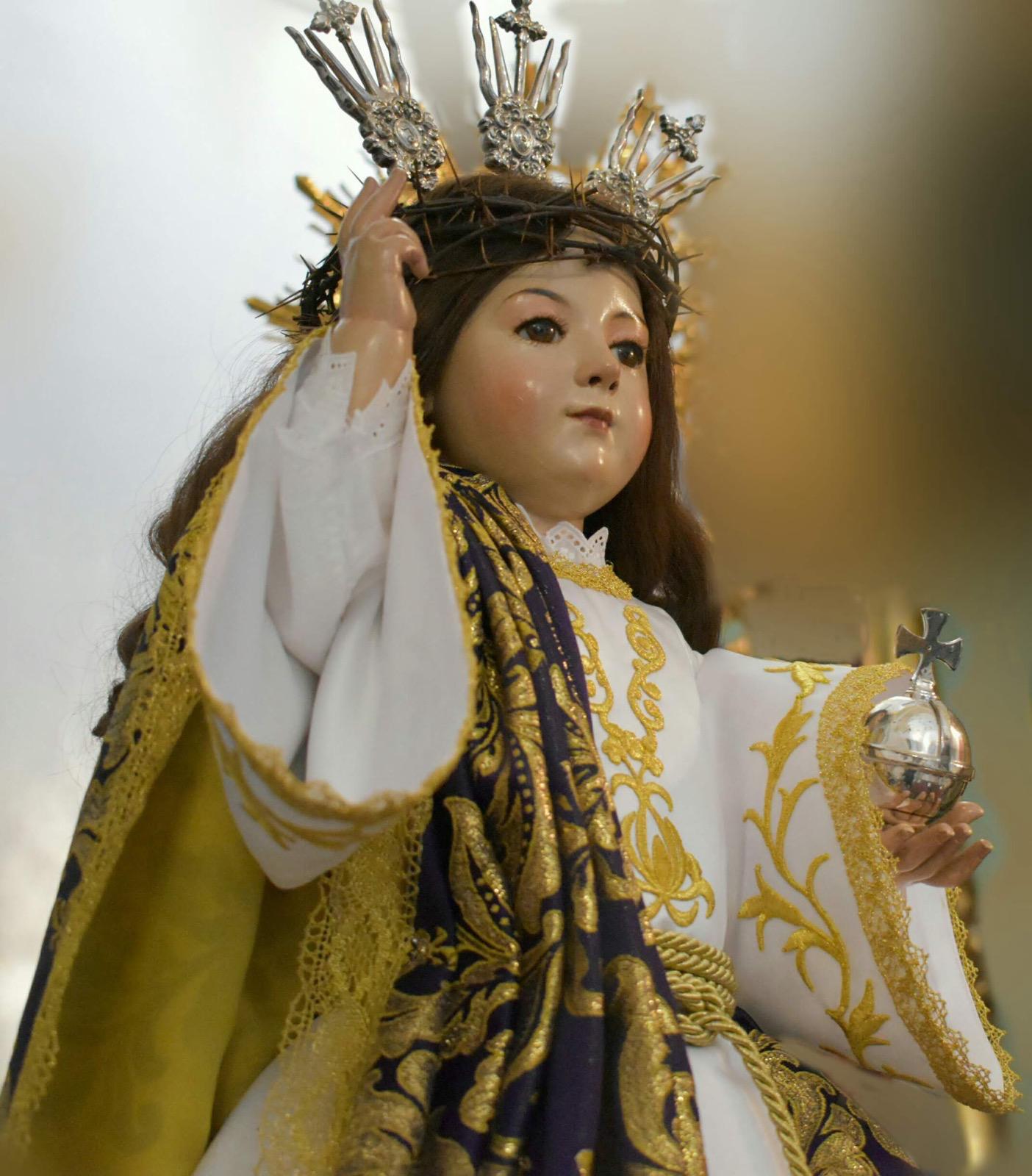
Dulce Nombre de Jesús

The image of the Dulce Nombre confraternities is a Christ Child of the Passion (Niño de Pasión), although with the arrival of the Baroque some replaced it with a Nazarene and others shared their titular status with another suffering image. He is a child because he symbolises the purity and sweetness of the Name of Jesus, and because, when these confraternities were founded, God was the centre of the world and spirituality prevailed, its main reference being the humanity of Jesus and the mysteries of his childhood and private life. He belongs to the Passion because, wishing to submit to Hebrew law like any other child, on the day of his circumcision he received the saving Name of Jesus; at that ceremony he shed his blood for the first time in becoming one of us. In a child, moreover, the Passion is magnified.

In the case of our confraternity, as the devotion was deeply rooted in this area, it has kept the heart-rending image of a Child carrying a Cross and wearing a crown of thorns. His right hand is raised in blessing and in his left he holds the orb of the world. It is a fully carved figure by an unknown sculptor, attributed to the Granada school. Radiological studies and the tests carried out so far date it to the late 17th or early 18th century.
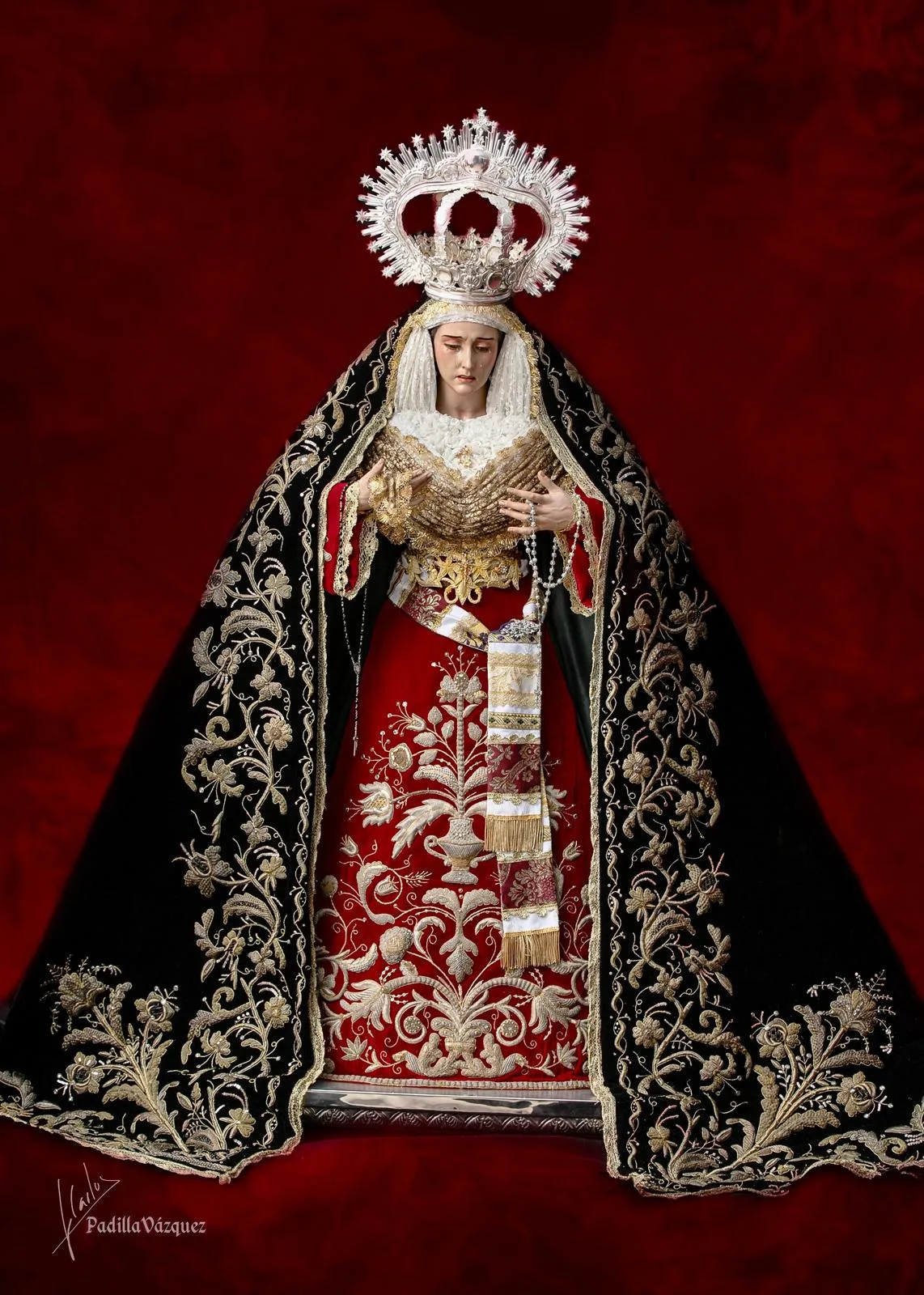
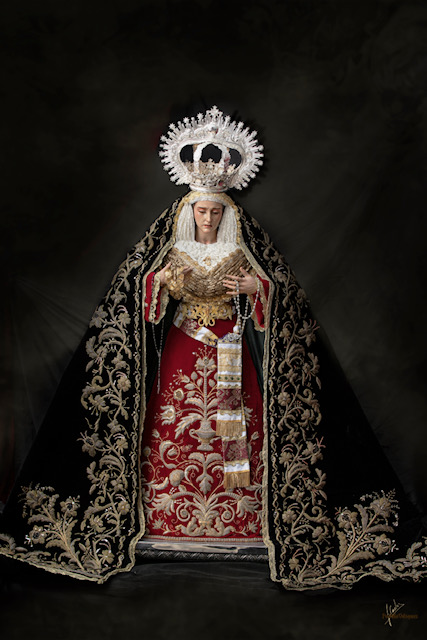
María Santísima del Socorro wearing a crimson skirt and an embroidered mantle

María Santísima del Socorro

The image of the Virgin under the advocation of Socorro was first established for the confraternity in the first entry, dated 17 December 1747, of the oldest surviving minute book (the sculptor of that first image is not recorded).

The present image of the Virgen del Socorro dates from 1947. It is believed to have been carved in Seville, but nothing more is known, although some attribute it to Rafael Barbero Medina, who did restore it. Older residents recall that it arrived in Campillos in late 1947 or early 1948.

Documents show that its blessing and display for public worship and veneration were approved by the Cardinal Archbishop of Seville, Pedro Segura y Sáenz, on 15 April 1948. It is rather small in stature, with a delicate face, an even, furrowed brow and tears falling from its fine eyes.

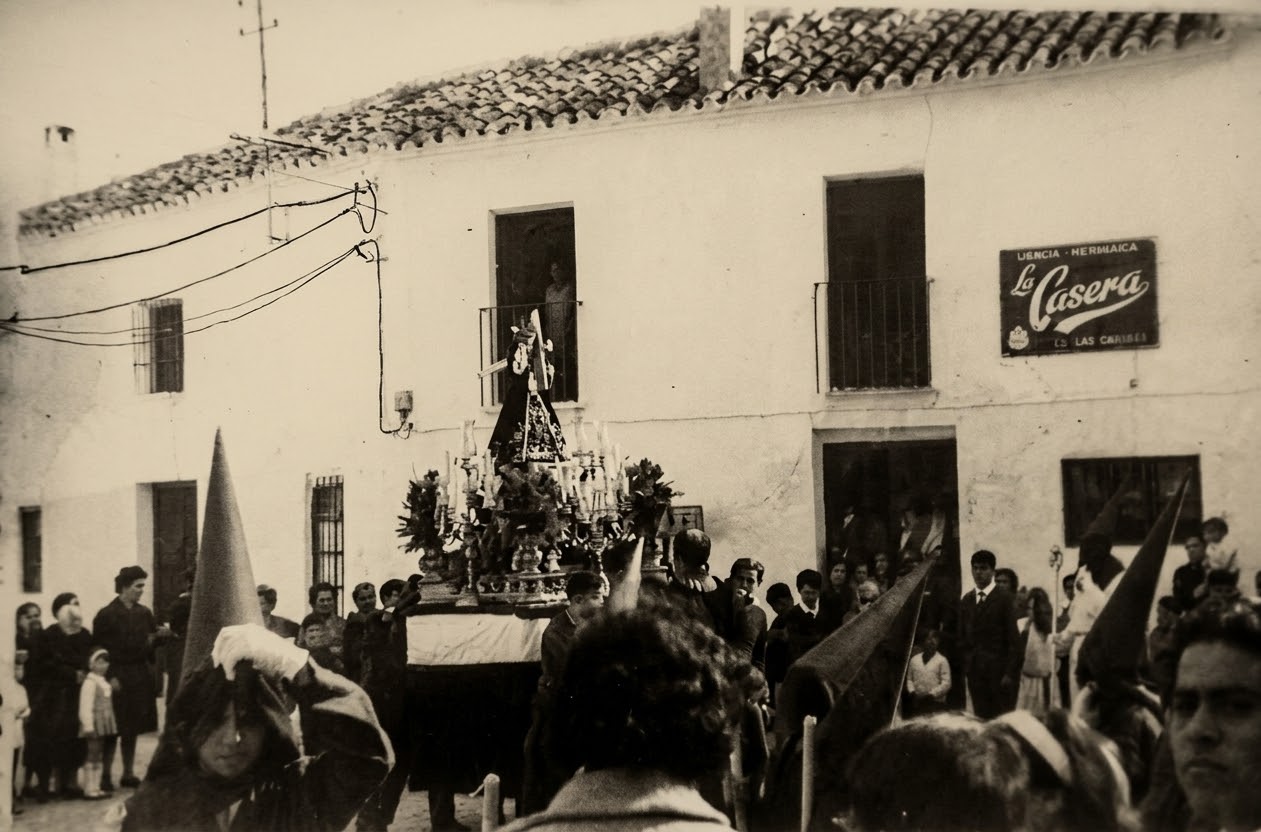
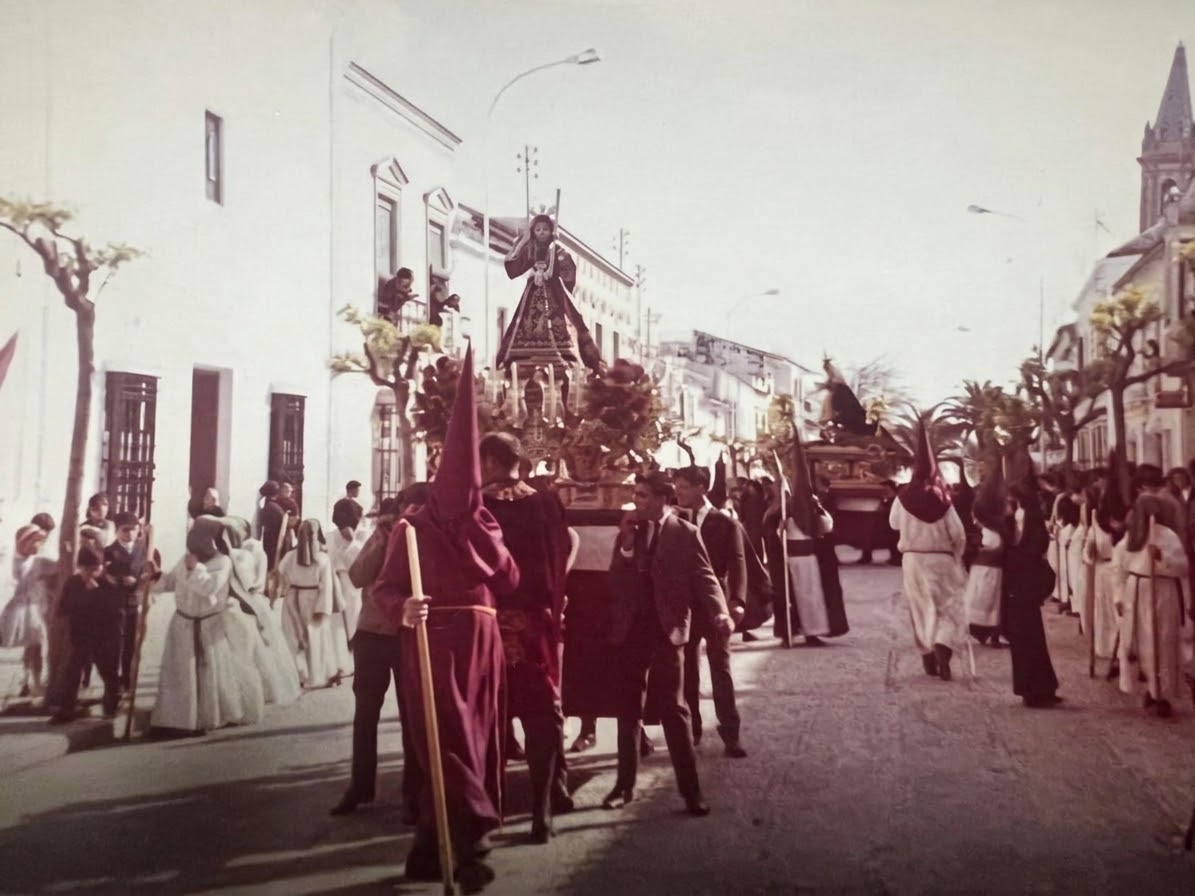
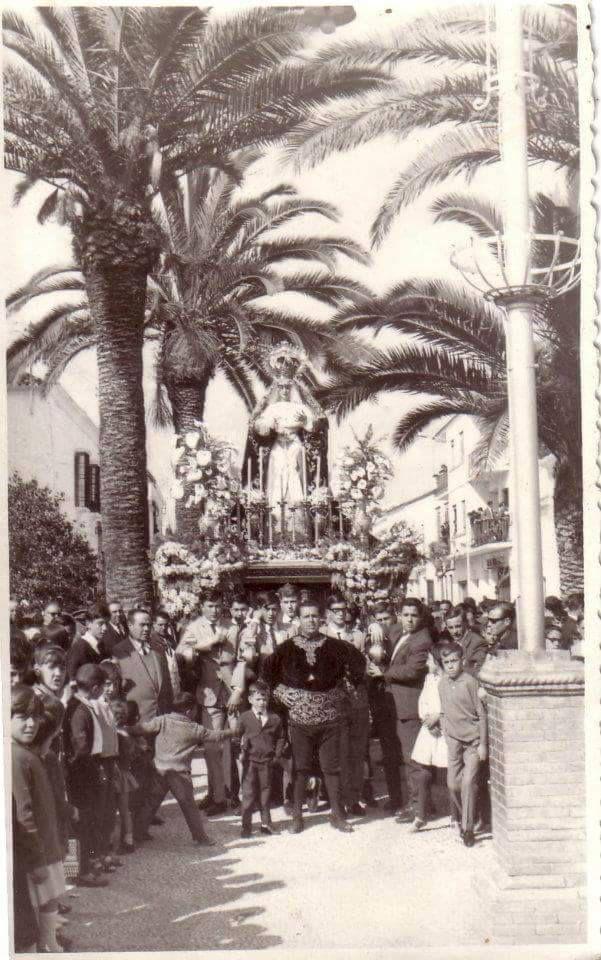
The Virgen del Socorro on her trono in the Plaza de España, among the palm trees and the crowd, in a historic photograph
The Virgen del Socorro on her trono in the Plaza de España, in a historic photograph.

History

Section 3 (Brotherhoods) of the General Archive of the Archdiocese of Seville holds, in bundle 166, Campillos folder, a record from 1613 of the renewal of new Rules for the Cofradía y Hermandad del Dulcísimo Nombre de Jesús. This suggests that the confraternity already existed well before 1613.

Over the centuries the confraternity has gone through several periods of inactivity. Its oldest minute book dates back to 1747 and records the changes in its governing posts and the confraternity’s ordinary activity.

The first entry in that book, dated 17 December 1747, records that at the chapter meeting held that day a vote was taken to choose the name, or advocation, to be given to the image that had been made to become a titular image of the confraternity, which shows that until then its only titular image had been the Dulce Nombre de Jesús. The names proposed were Socorro, Traspaso, Paz and Aflicción, and Socorro was chosen by a majority.

A register of members’ subscriptions from 1908 has also survived. The confraternity remained active, with its ups and downs, until 1936, when it stopped making its station of penance. In 1966 a group of devoted members took the initiative to revive it, but in 1968 it fell inactive once more, this time for financial reasons.

Processional dress

The brotherhood’s emblematic colour is crimson, which alludes to sacrifice and can be seen in the processional robe of the Dulce Nombre de Jesús and in the processional skirt of the Virgen del Socorro.

It is also the colour of the robes worn by the nazarenos, together with white capes and a yellow girdle. The bearers of both tronos also dress in crimson, which features too on the costumes of the Consiliarios and the Romans.