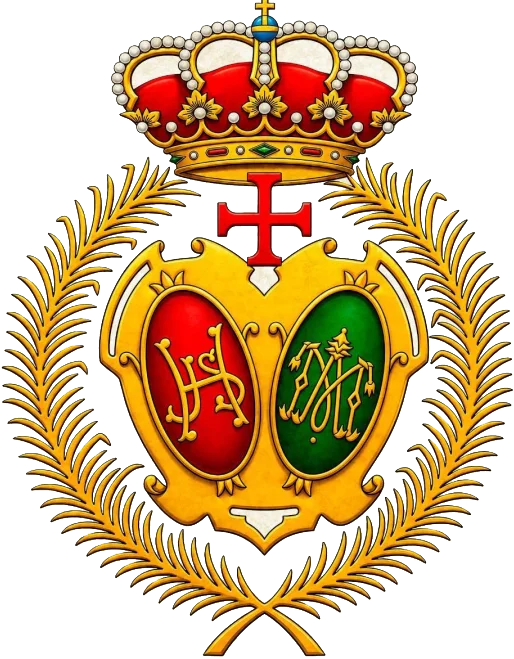
Coat of arms of Pollinica

Nuestro Padre Jesús en su Entrada Triunfal en Jerusalén and María Santísima de Gracia y Esperanza

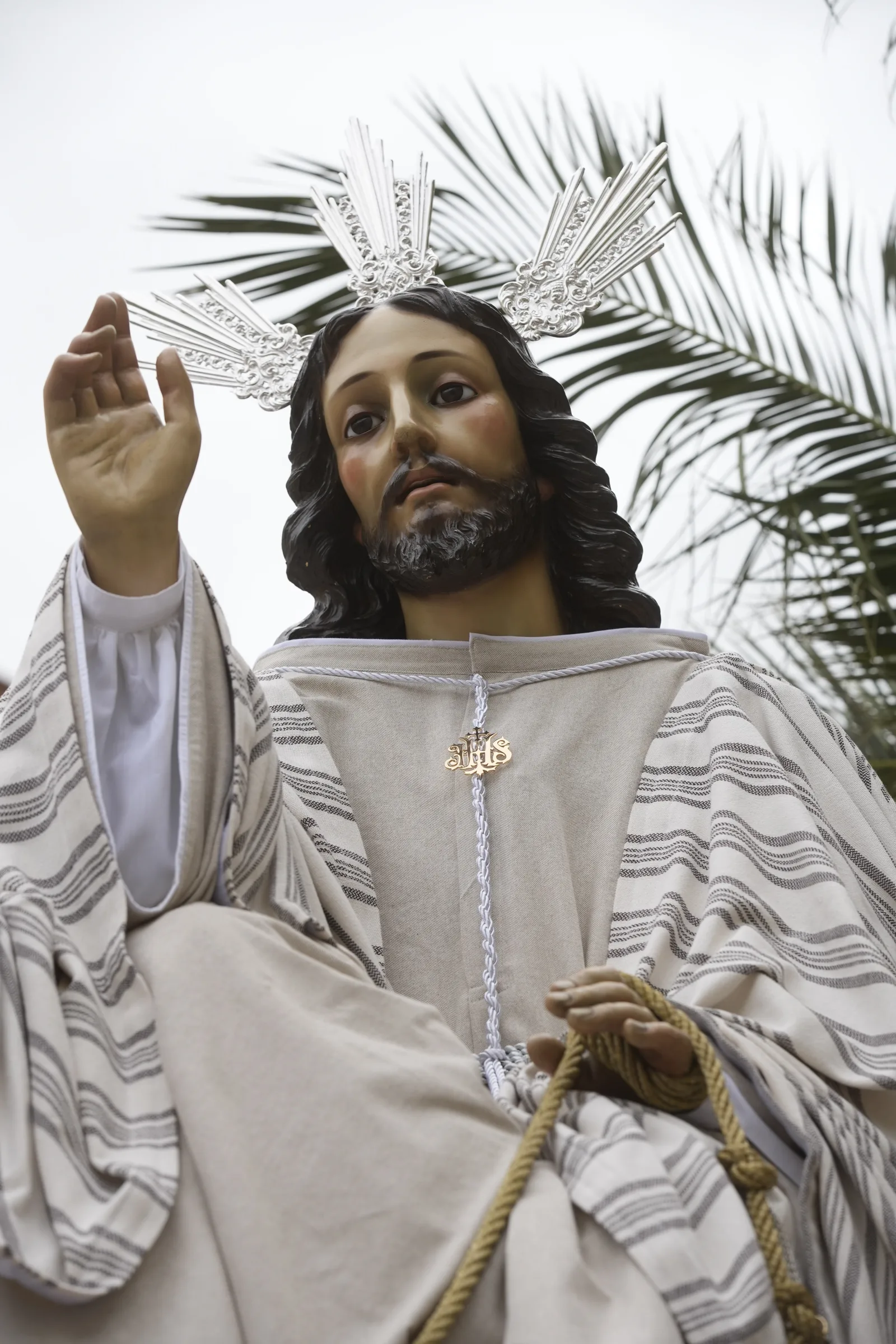
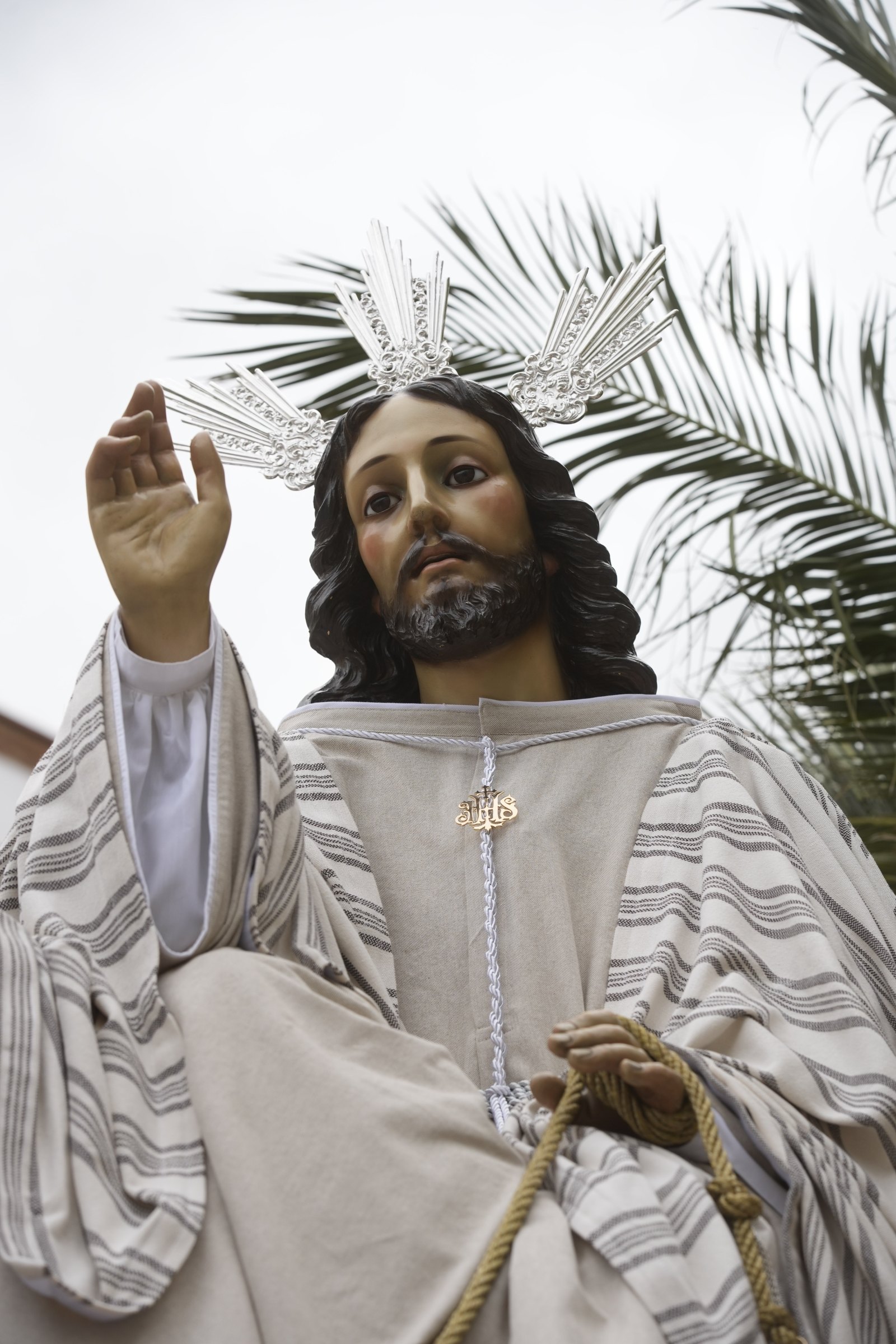
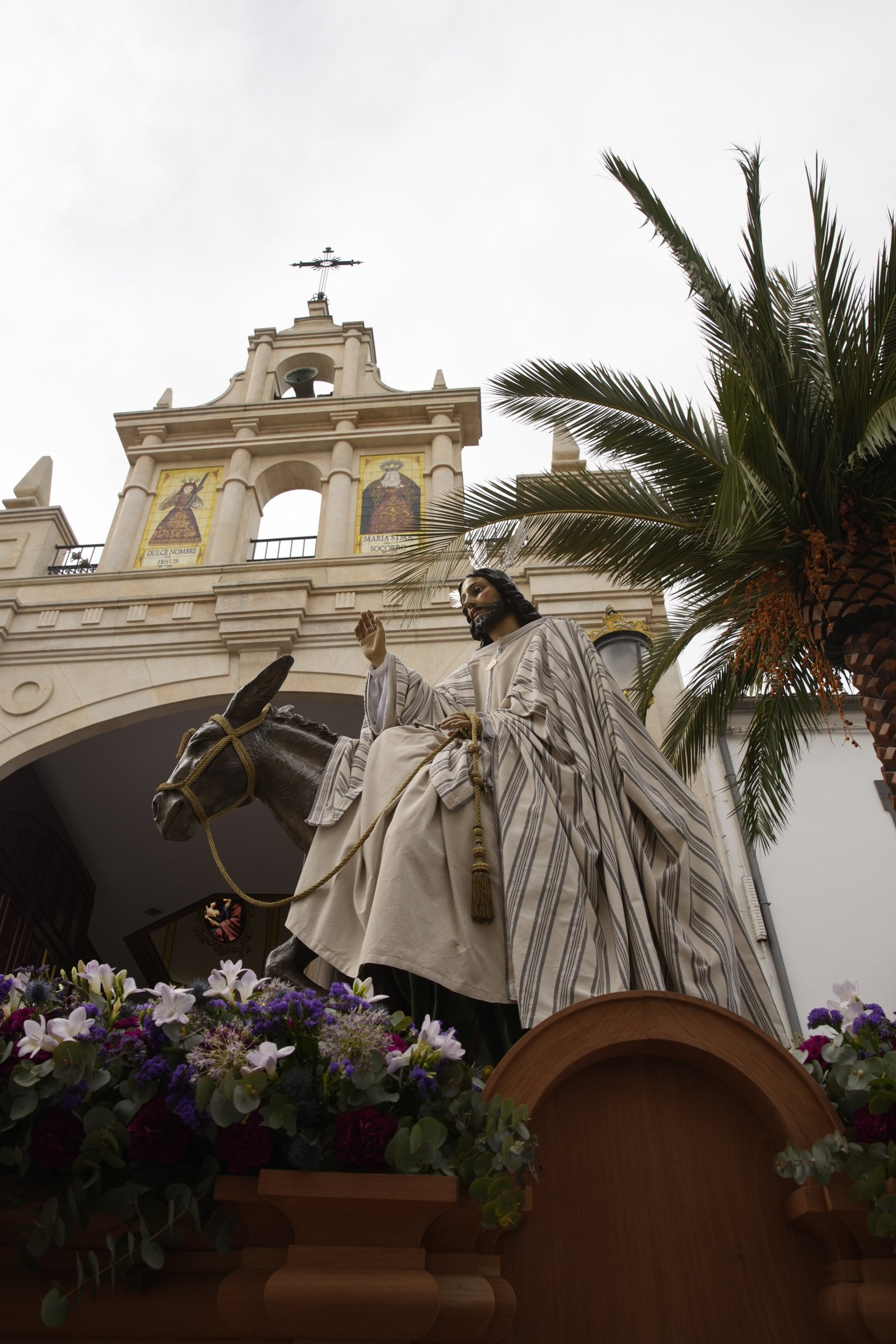
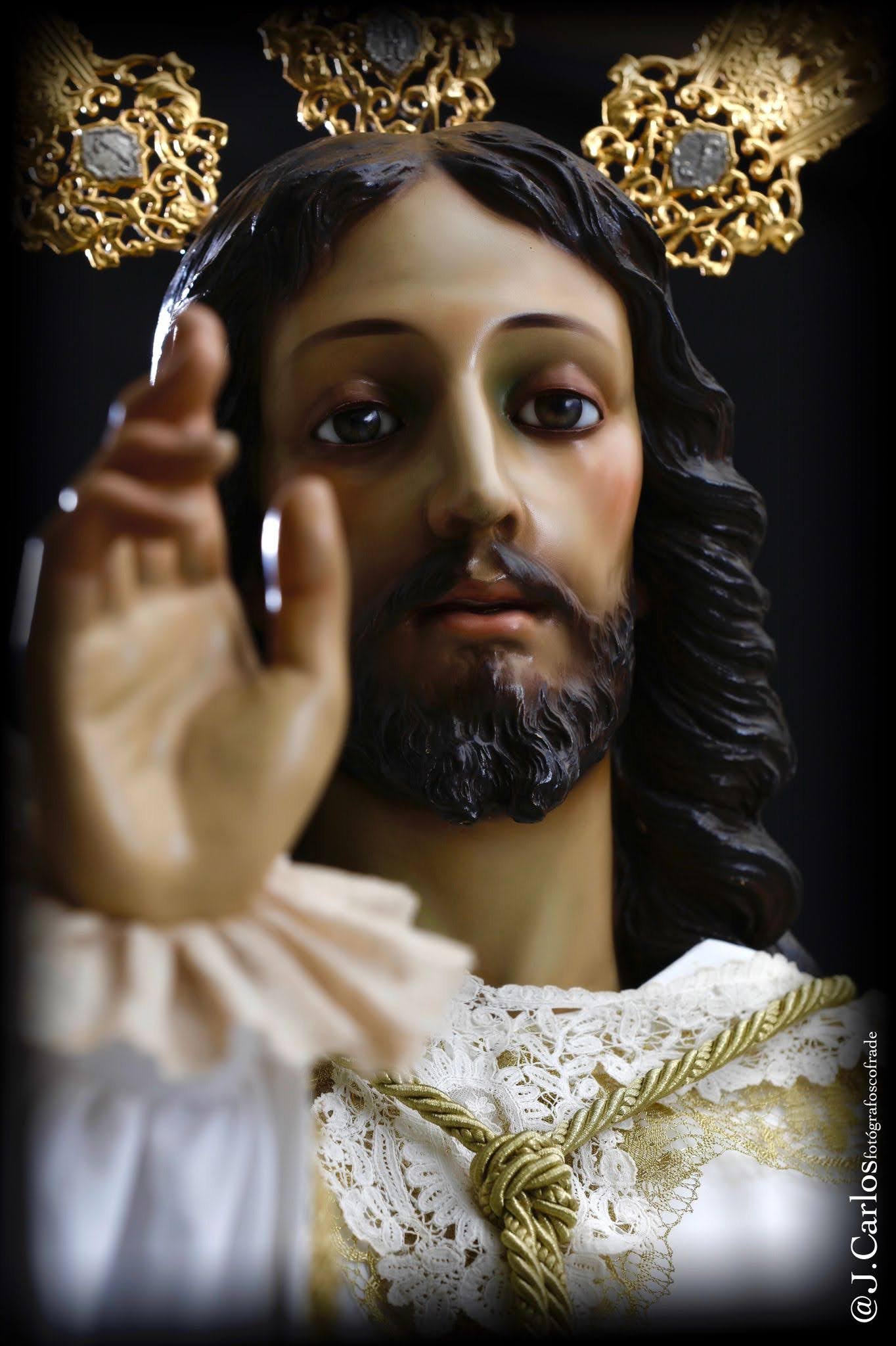
Jesús en su Entrada Triunfal, dressed in white among palms

The brotherhood

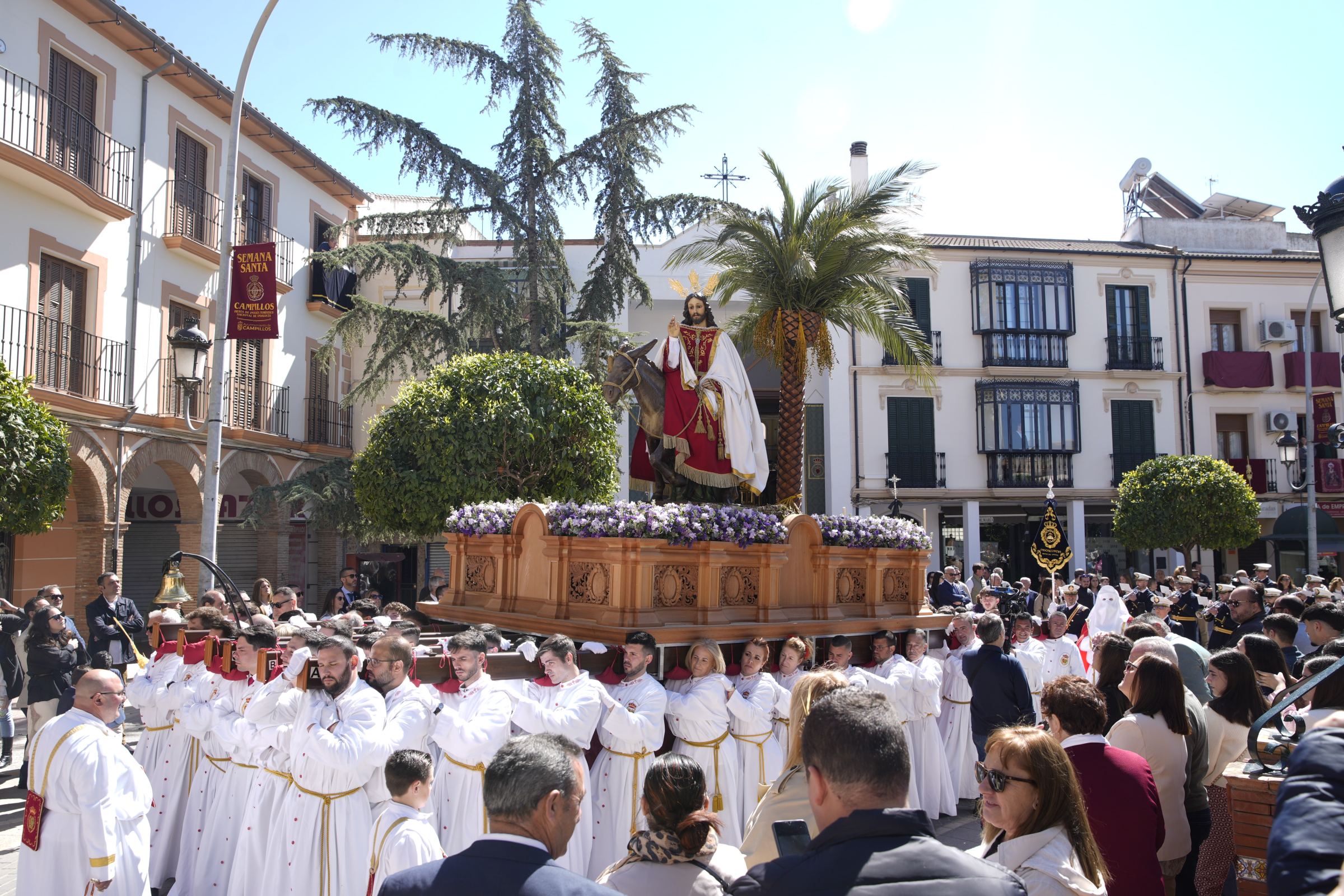
Palm Sunday begins with the traditional blessing of the palms, followed by the Mass of the Passion. The Pollinica is a brotherhood made up mostly of young people — the next generation of brotherhood members — who walk carrying palm fronds or olive branches.

Palm Sunday

Route

See the streets in the route list.

Departure
11:30
Return
15:00
Procession starting point
C/ Carmen, 44
Pre-procession meeting point
Avda. Puerta de Teba · 11:00
Bands
Agrupación Musical Misericordia (Sierra de Yeguas) and Banda de Música Amantes de la Música (Campillos)

Official route

  1. Casa-Hermandad
  2. Carmen
  3. San Juan
  4. San Sebastián
  5. Plaza de España
  6. Real
  7. Salgueros
  8. Alta
  9. Plaza Cruz Blanca
  10. Carmen
  11. Casa-Hermandad

Sacred images

Jesús en su Entrada Triunfal, dressed in white among palms

Nuestro Padre Jesús en su Entrada Triunfal en Jerusalén

The brotherhood venerates the image under the title of Nuestro Padre Jesús en su Entrada Triunfal en Jerusalén, a seated figure riding a young donkey, made of wood-pulp paste and later painted in polychrome by the Olot workshops in 1952, and donated by the Ayuntamiento de Campillos.

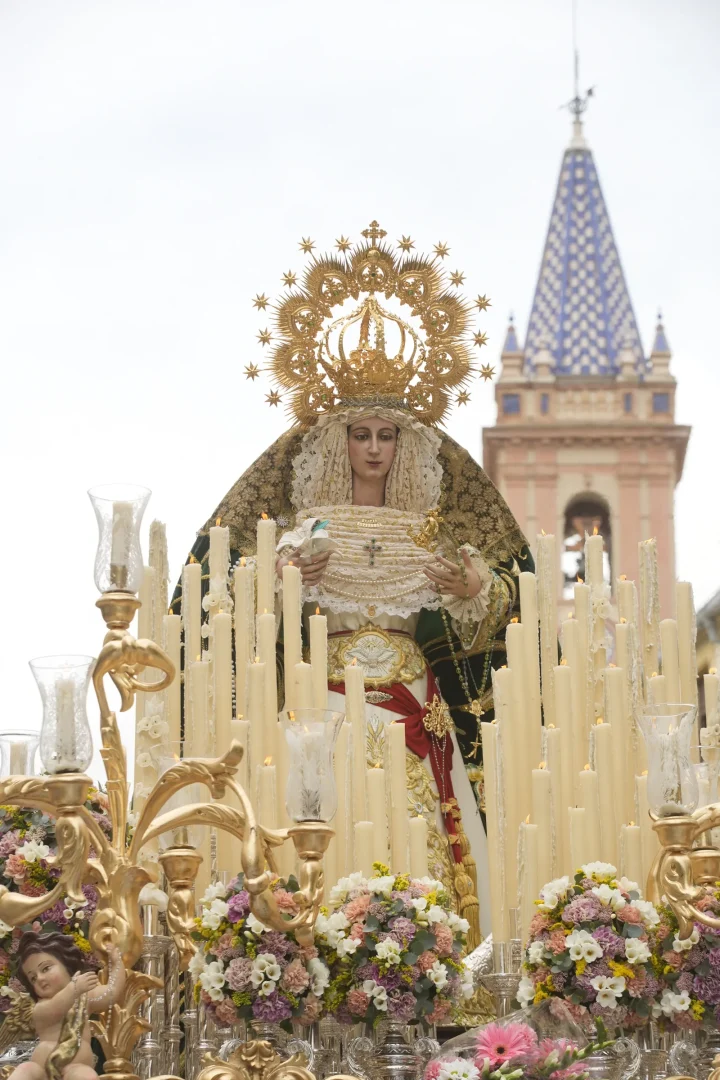
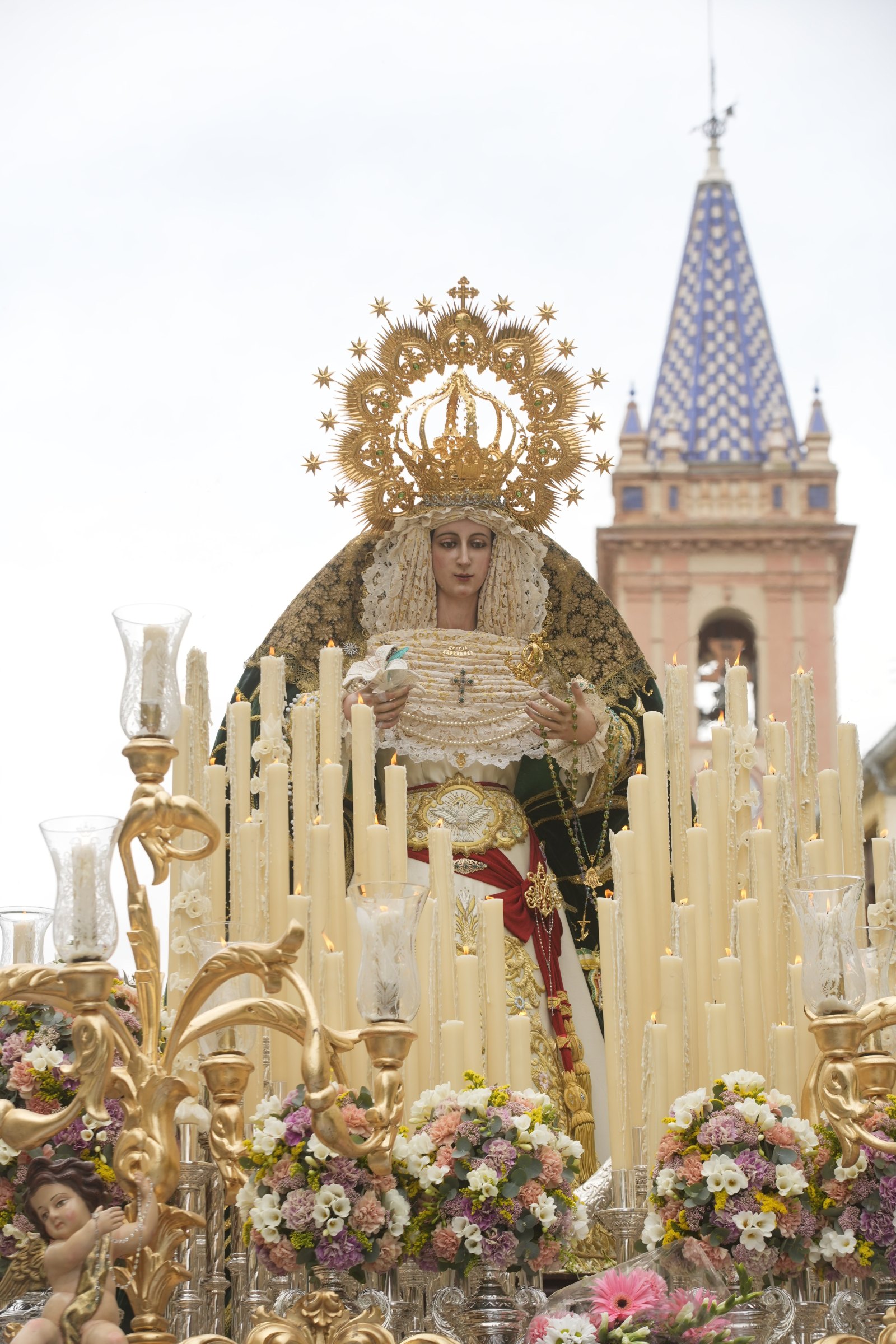
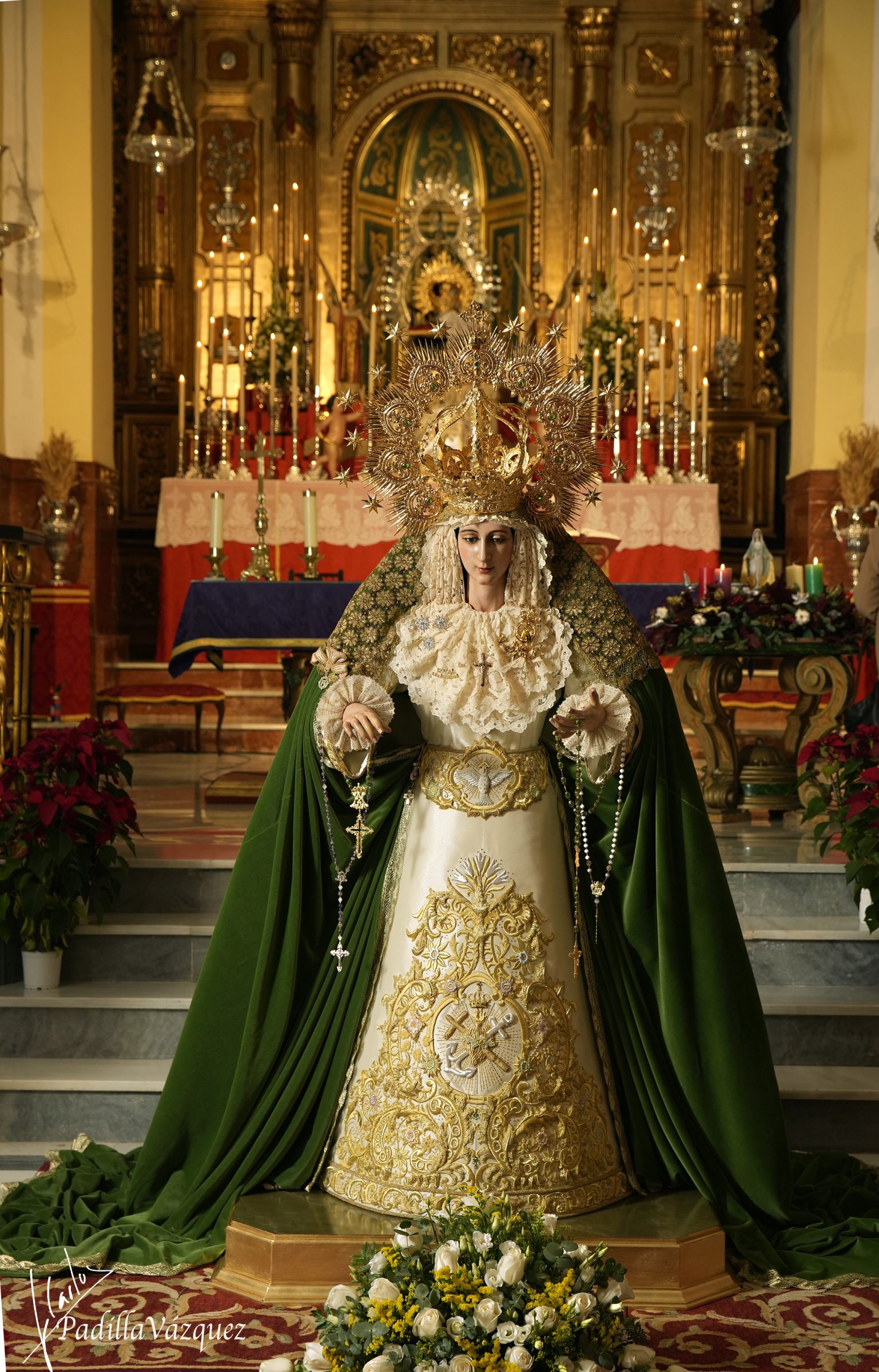
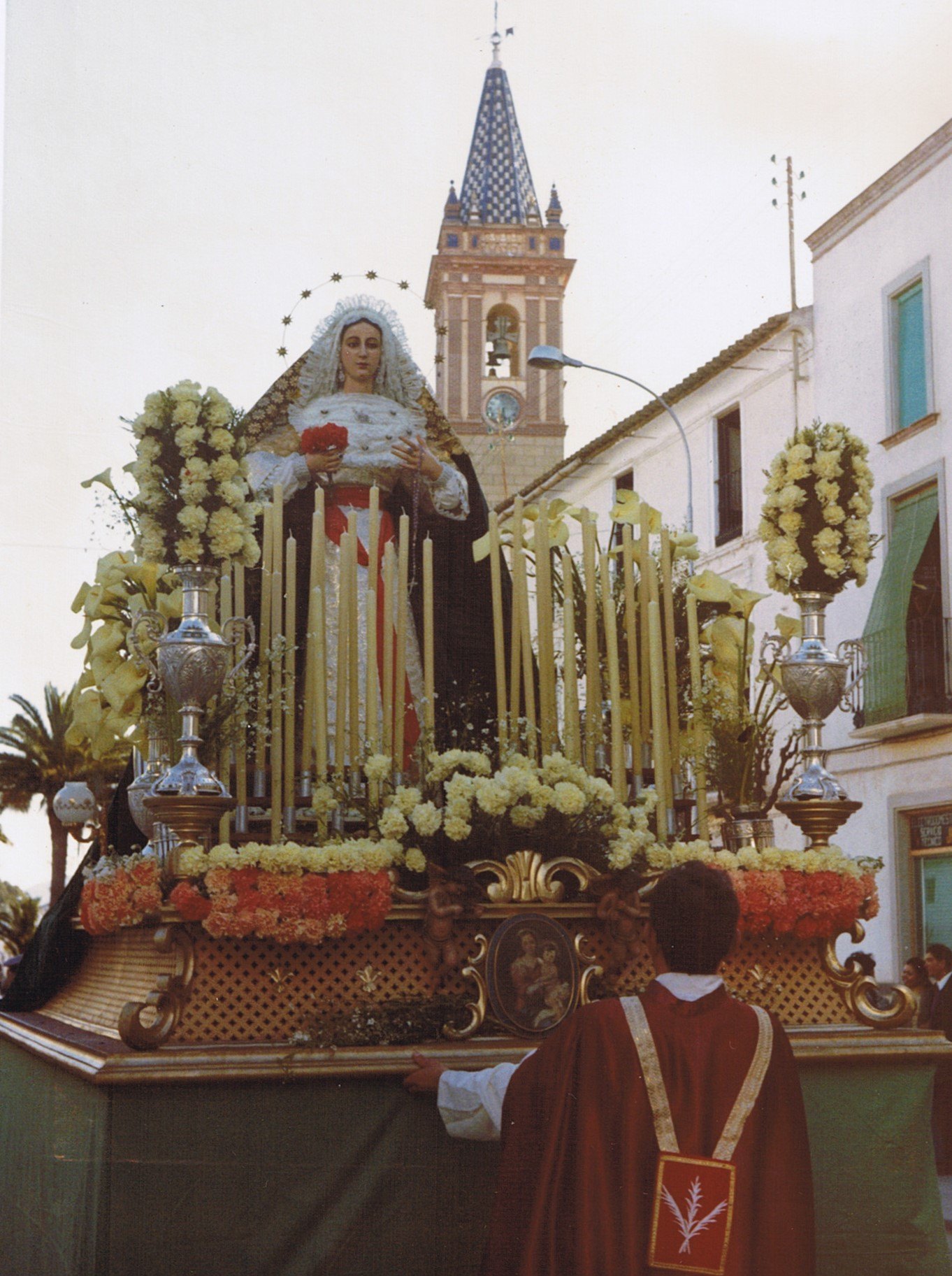
María Santísima de Gracia y Esperanza in procession

María Santísima de Gracia y Esperanza

The brotherhood also venerates the sacred image of María Santísima de Gracia y Esperanza, portrayed as a typical “Mater Dolorosa” but here without any sign of sorrow, showing a gentle, serene and trusting attitude. The image of María Santísima de Gracia y Esperanza is a Dolorosa of the so-called “candelero” type (a dressed figure on a wooden frame), made in Seville in 1972 by the Huelva-born artist Manuel Domínguez Rodríguez.

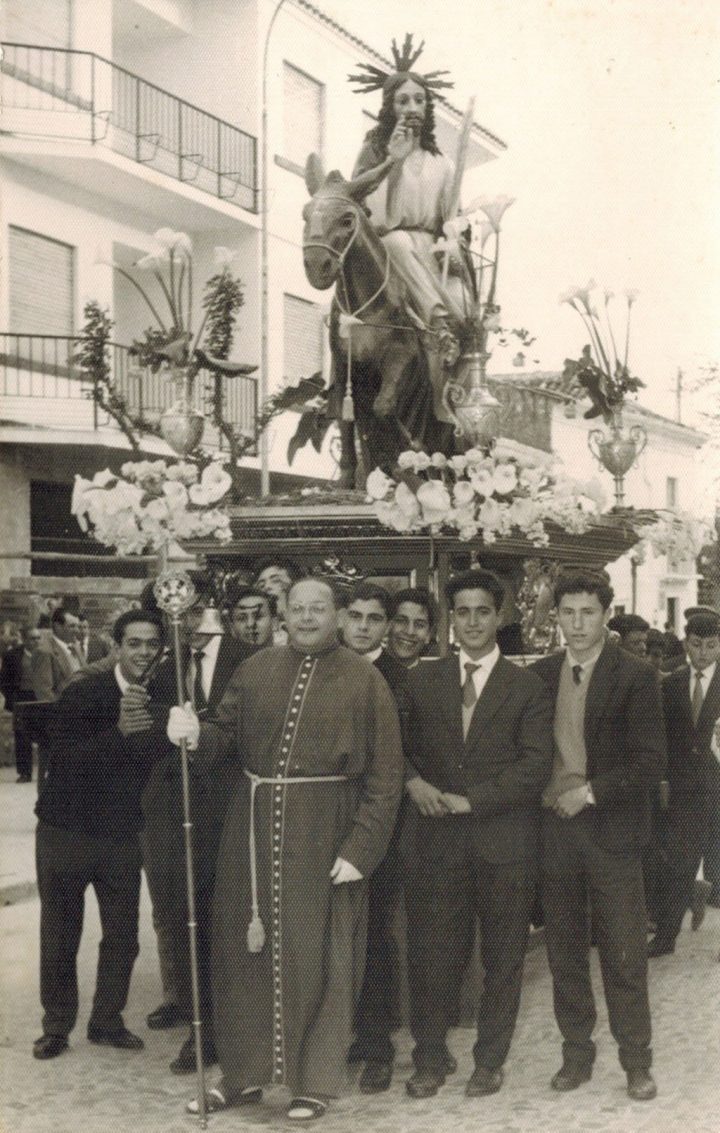
The Pollinica with its bearers and the Hermano Mayor (elected head of the brotherhood), Juan Cantano Solís, in a historic photograph.

History

The Hermandad de Nuestro Padre Jesús a su Entrada en Jerusalén y María Santísima de Gracia y Esperanza is the youngest of the town’s brotherhoods, founded in 1947.

Processional dress

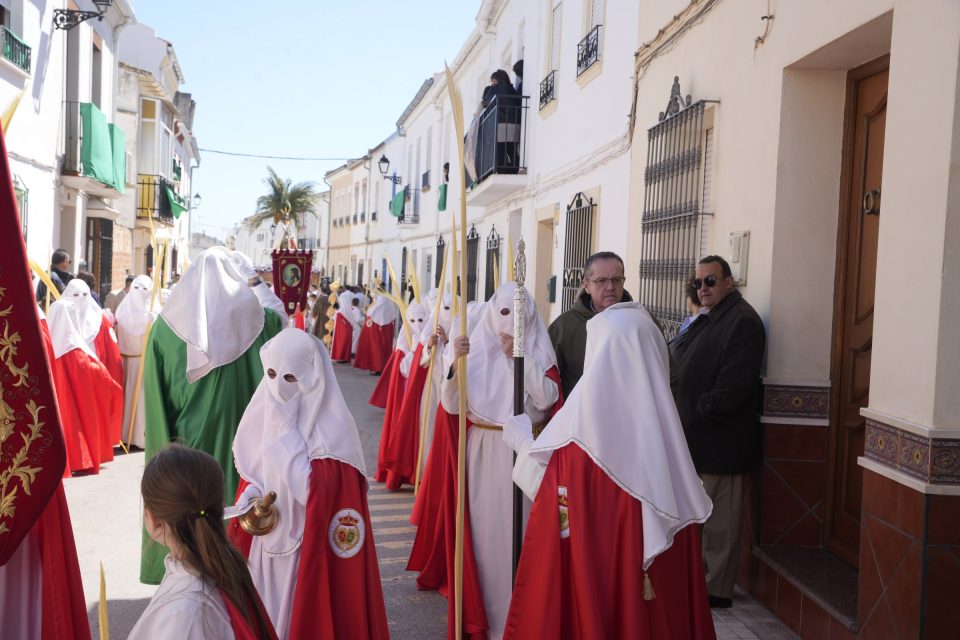
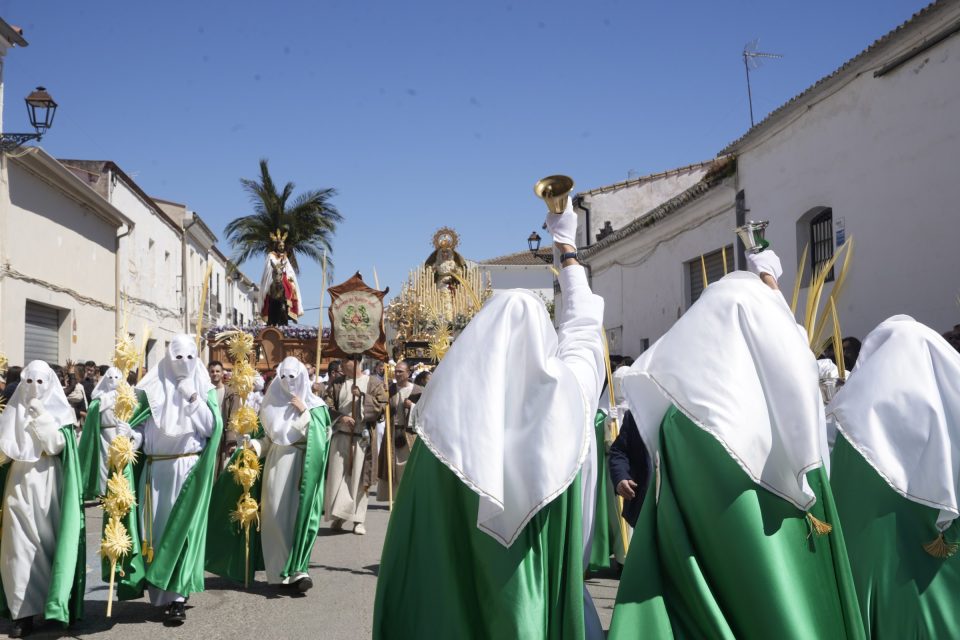
In the section of Our Lord, the brotherhood’s habit is made of white twill with red buttons, a gold-coloured girdle, a red satin cape and a white satin hood; in the section of the Virgin, the robe is made of white twill with green buttons, a gold-coloured girdle, a green satin cape and a satin hood. The brotherhood’s coat of arms on the cape completes the outfit.

Child members wear a robe of white twill with red or green buttons, a gold-coloured girdle and a red “faraona” (a soft headdress without a pointed cone) in the section of Our Lord, or a green “faraona” in the section of the Virgin.

Trono bearers wear a robe of white twill with red or green buttons according to their section, a gold-coloured girdle and the brotherhood’s coat of arms.

Adult members, children and trono bearers all complete their habit with white gloves.

Hermanos de la sección del Señor con túnica blanca y capa roja
Sección del Señor.
Hermanos de la sección de la Virgen con túnica blanca y capa verde
Sección de la Virgen.